When you’re planning a photoshoot for your creative brand, there are many things to keep in mind, and the shot list is one of them. It doesn't matter if you’re DIYing your shoot or working with a professional brand photographer; a shot list needs to exist. Branding photography is intentional by design, but some photos, like the ones mentioned below, are universal and ubiquitous across all creative businesses.
What’s a photo shot list?
At its essence, a shot list for a photoshoot is an itemized list of different shots you have to capture. It sounds simple, but shot lists are more detailed than short bullet points! Depending on the level of planning you want to do, each shot may include details around the background/environment, who and what are in it, the angle, the colors/patterns, and the emotional component (if there is one).
Why is a photo shot list important for brand shoots?
A shot list is part of the larger shoot plan that you and your photographer should have. Planning ahead means everyone is prepared for the shoot. No one is standing around, twiddling thumbs and wondering what’s happening next. The shot list keeps everyone informed on what will be taken and how to take them. Having this ahead of time also means you can catch if any shots are missing!
When to work on your brand shot list
The best time to approach the shot list is after you’ve decided on the WHY of your shoot:
- Why are you doing the shoot in the first place?
- What kind of photos are you looking for?
- Is this for a marketing campaign, or is it for an asset library refresh?
Must-have shots for the creative business owner
For this blog post, I’m going to write about the shots every creative business owner or solopreneur should have, and some bonus ones that are nice to have. These shots are the ones that go onto your website, social media pages, and press kits.
1. Headshot for creatives
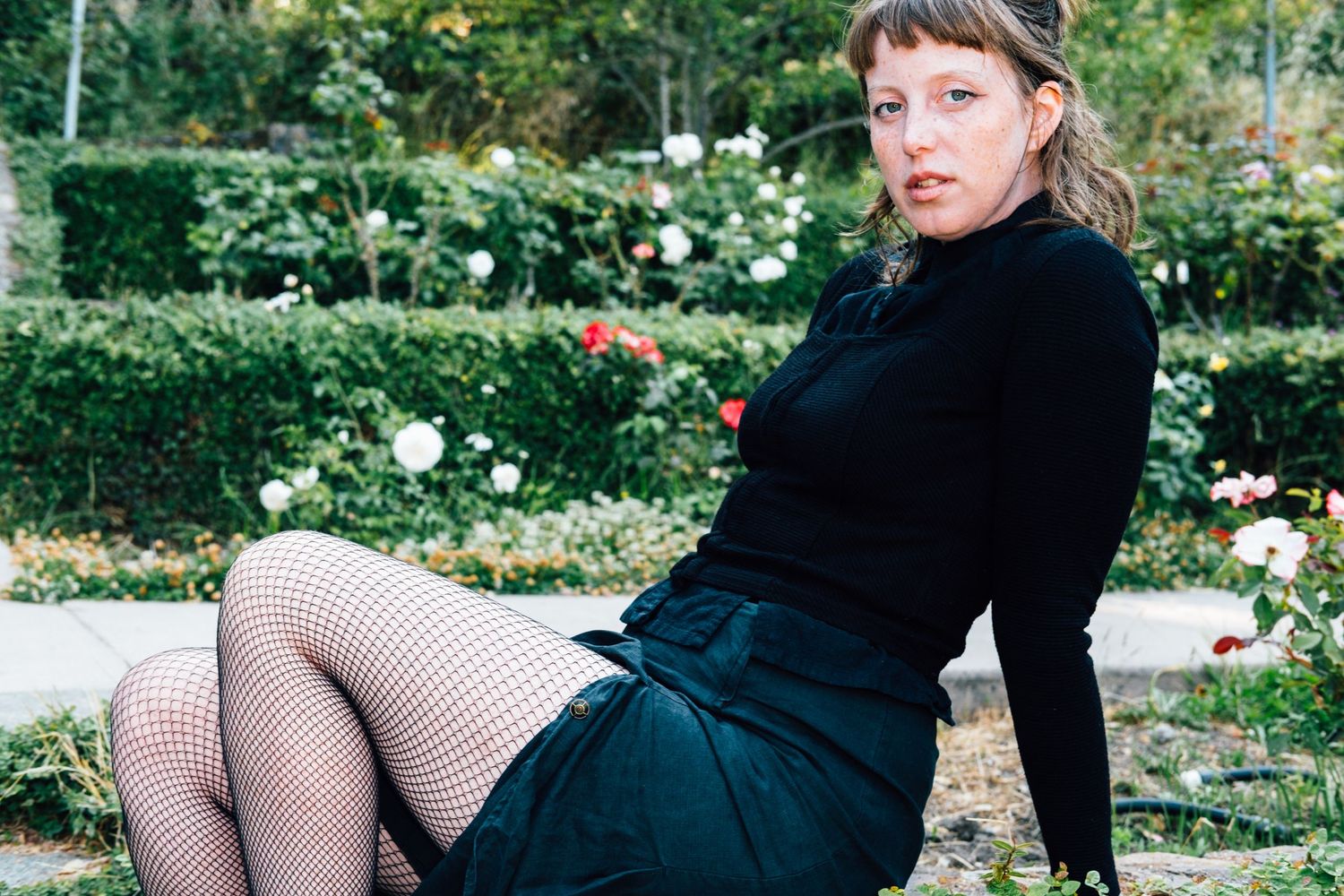
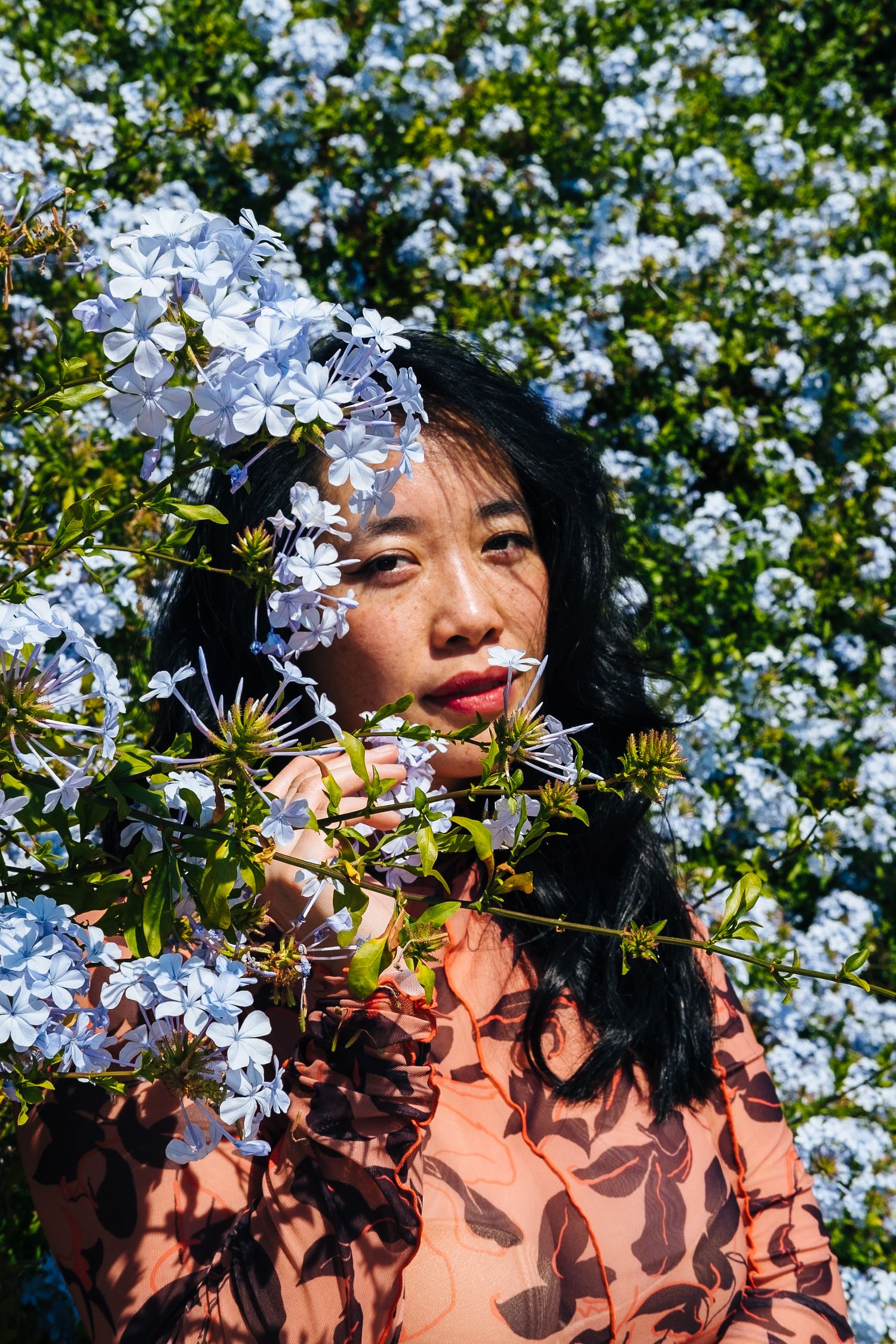
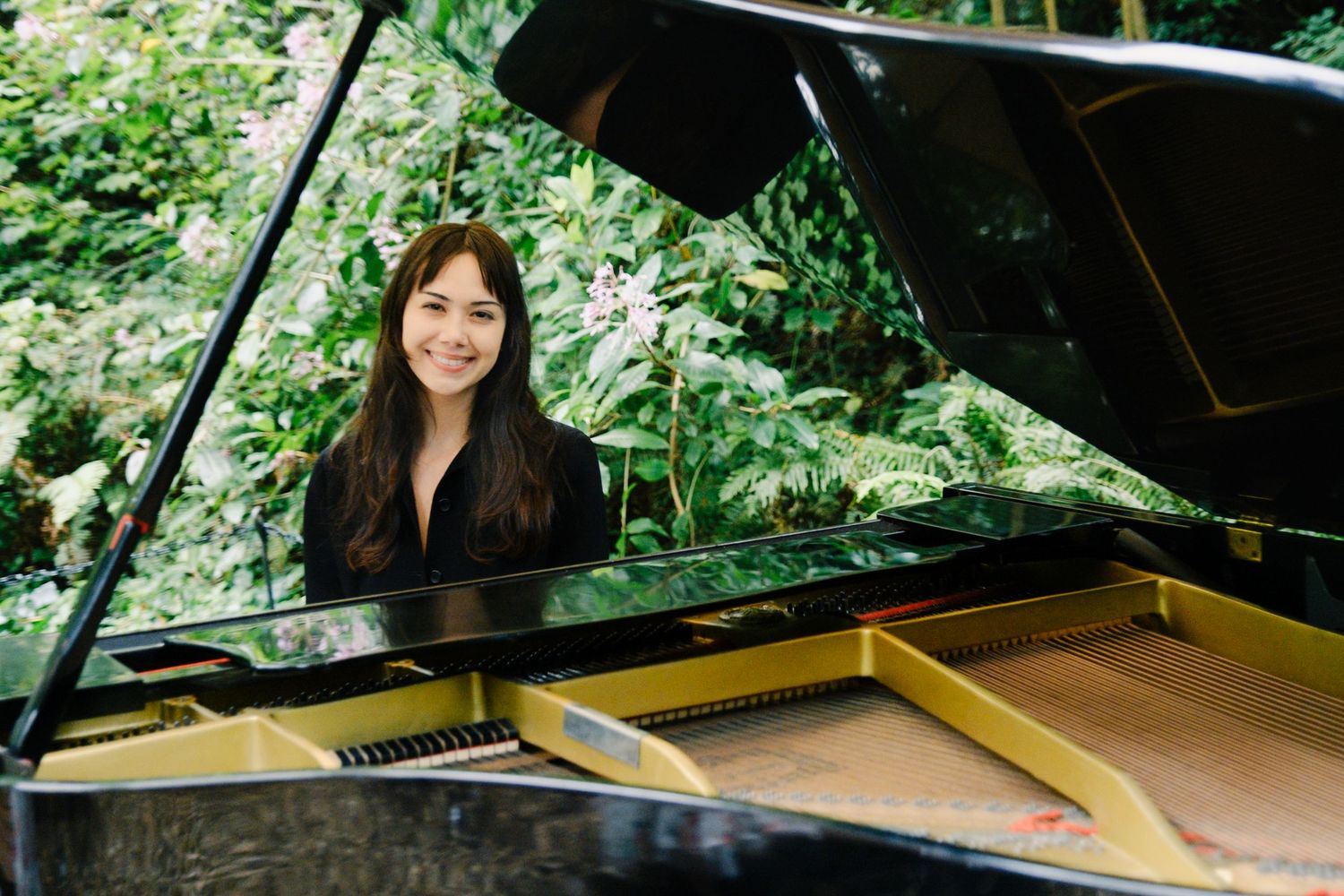
The absolute basic one is the headshot. You should have at least one, but preferably a few options for different scenarios.
- Traditional: Shoulders and up
- Creative: Full body, thighs and up, or waist and up, and often involves an idea of what your work is
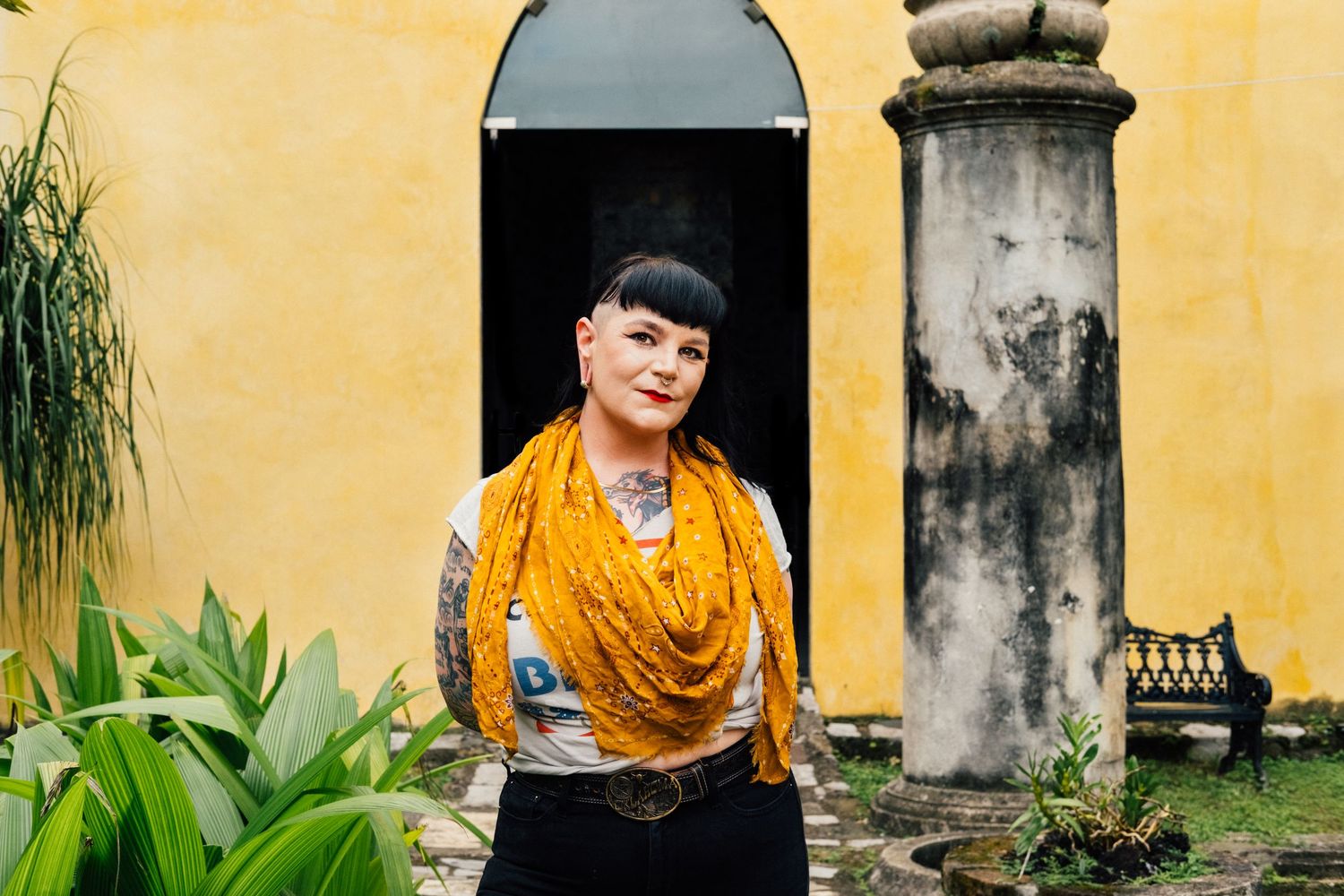
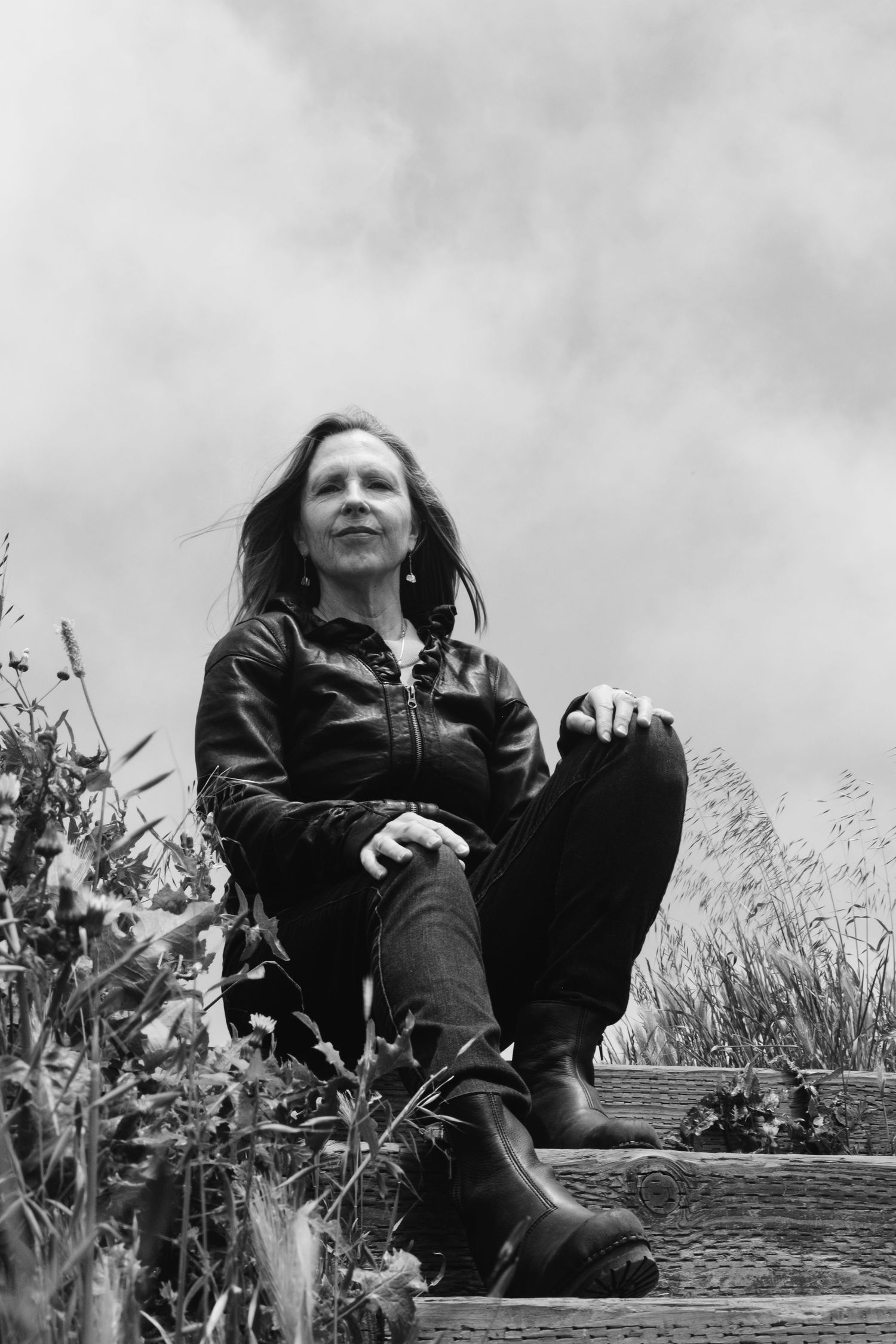
- Environmental portrait: Wide-angle shot of you doing your work or around your work
- Bonus: Use black & white for a timeless feel
- Bonus: Have a variety of emotions and expressions
Where it goes: your about page, homepage, and hero (continue reading for that one!).
2. Hero images for a website banner
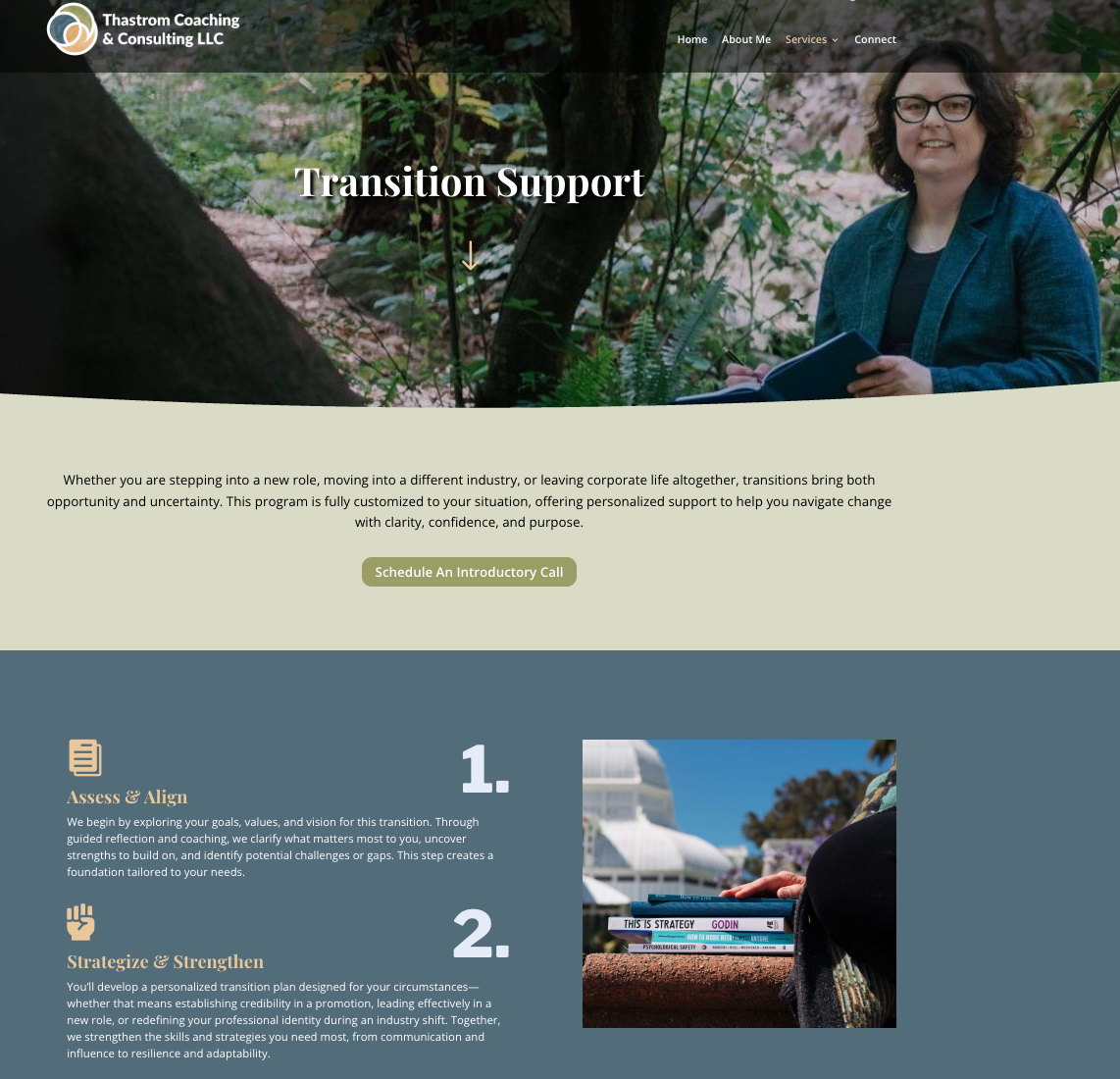
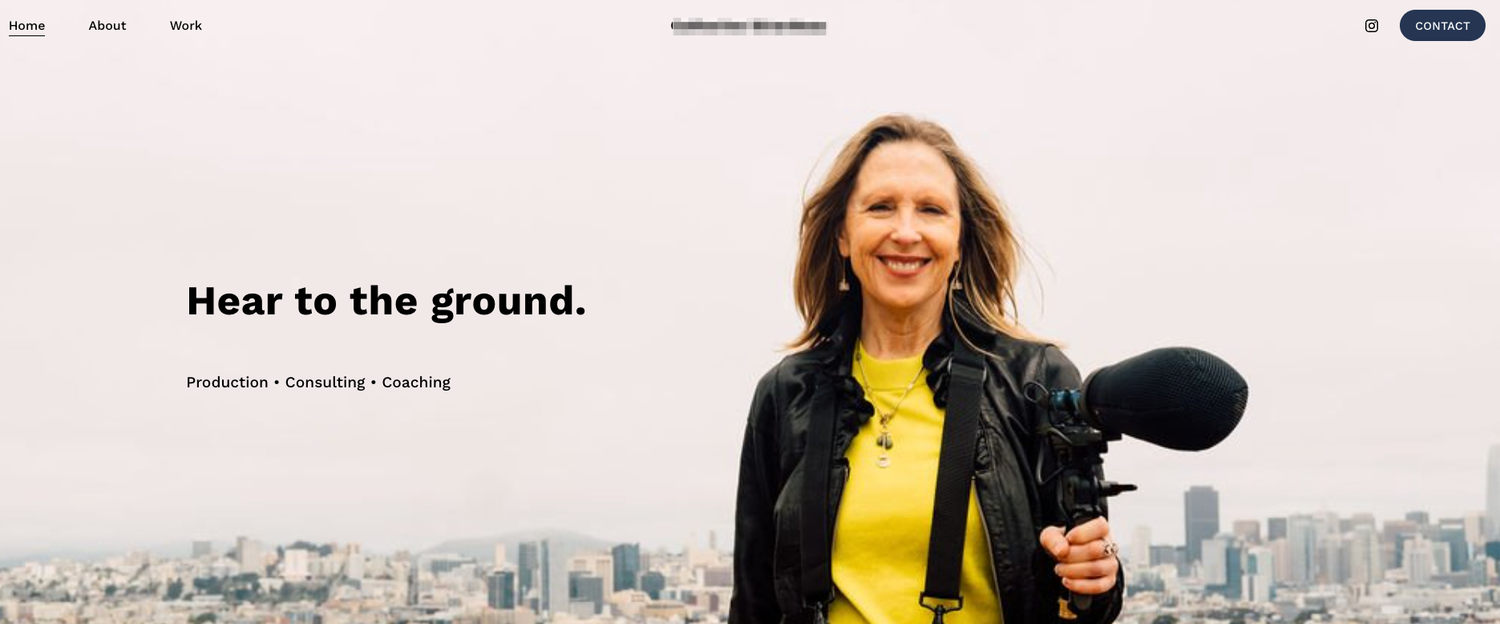
Hero images are commonly used either as a set of slides or at the top of a subpage. They are in landscape orientation and shorter in height than regular photos. Additionally, hero images often include text overlays, such as the page title, copy, or call-to-action buttons. Composing a hero image shot requires pre-planning, because it needs more empty space around the subject. While it is possible to crop delivered images to a hero image dimension, it’s best to let your photographer know of your needs ahead of time, so they can include some hero shots.
3. Detail shots and flat-lays
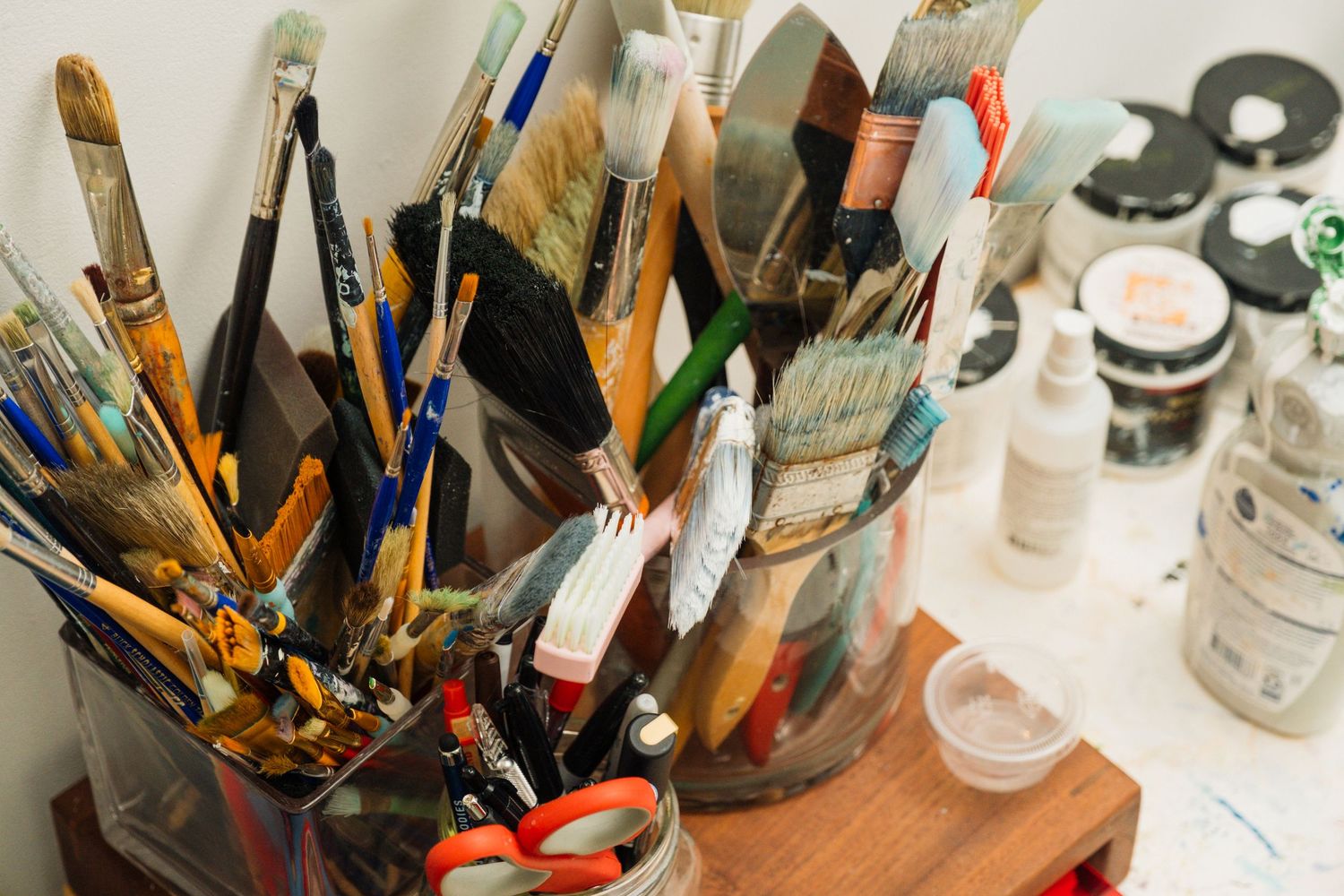
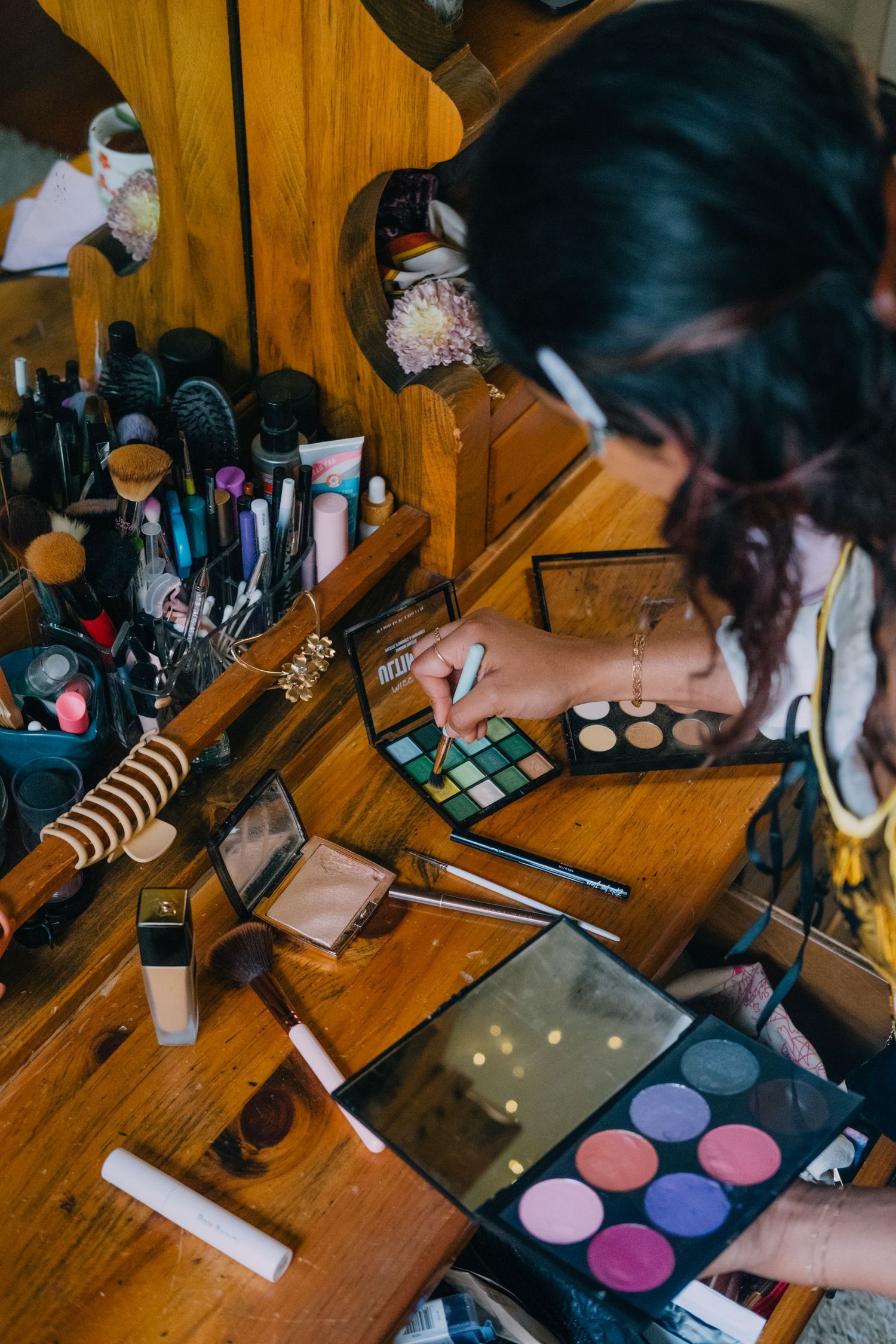
These shots provide context and supportive imagery for your brand’s story. Detail shots include things like the tools you use, close-ups of your hand shaping clay, or signage. For a more artistic flair, organizing these in a flat-lay is a more styled, intentional way of composing these shots.
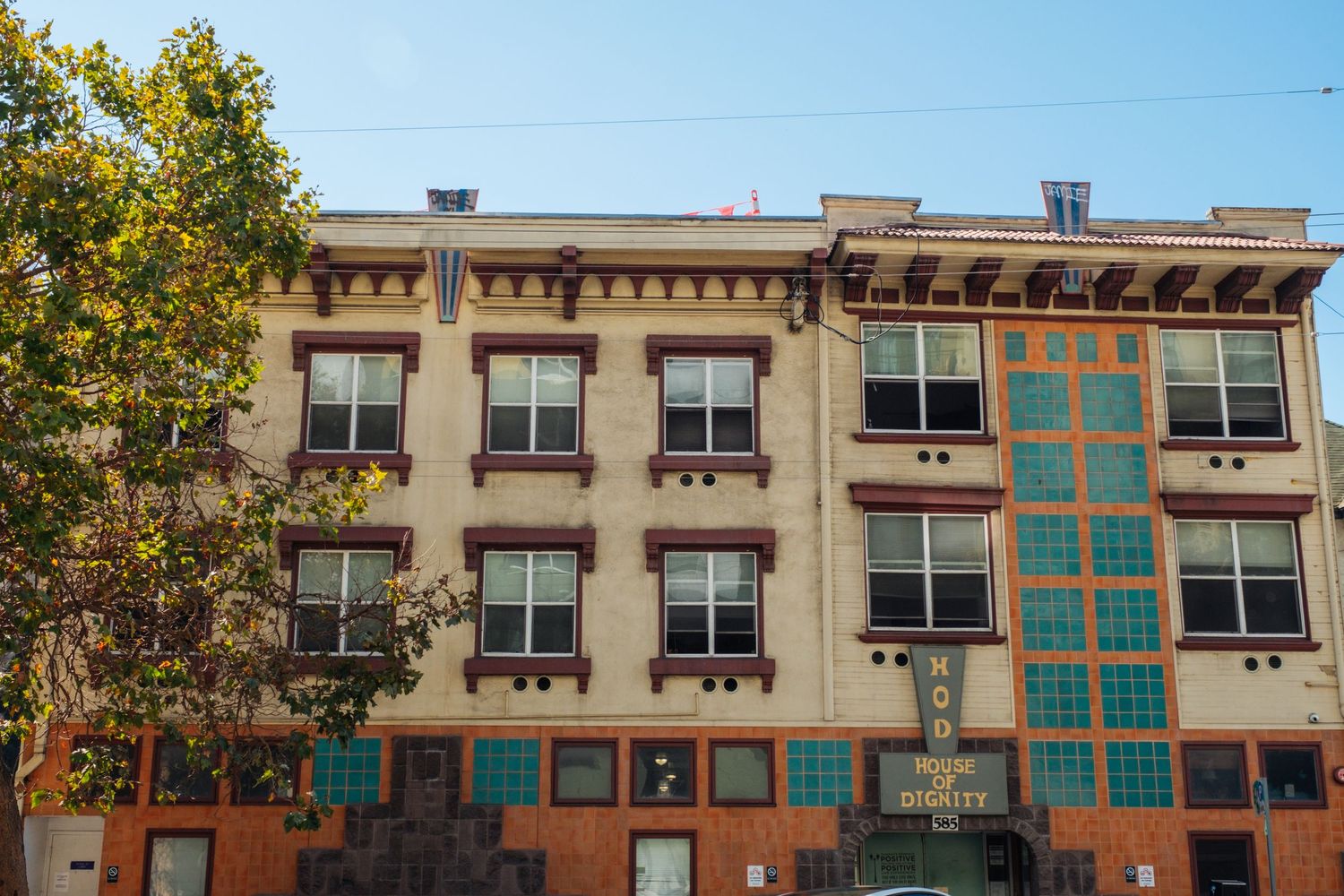
4. Interiors and exteriors
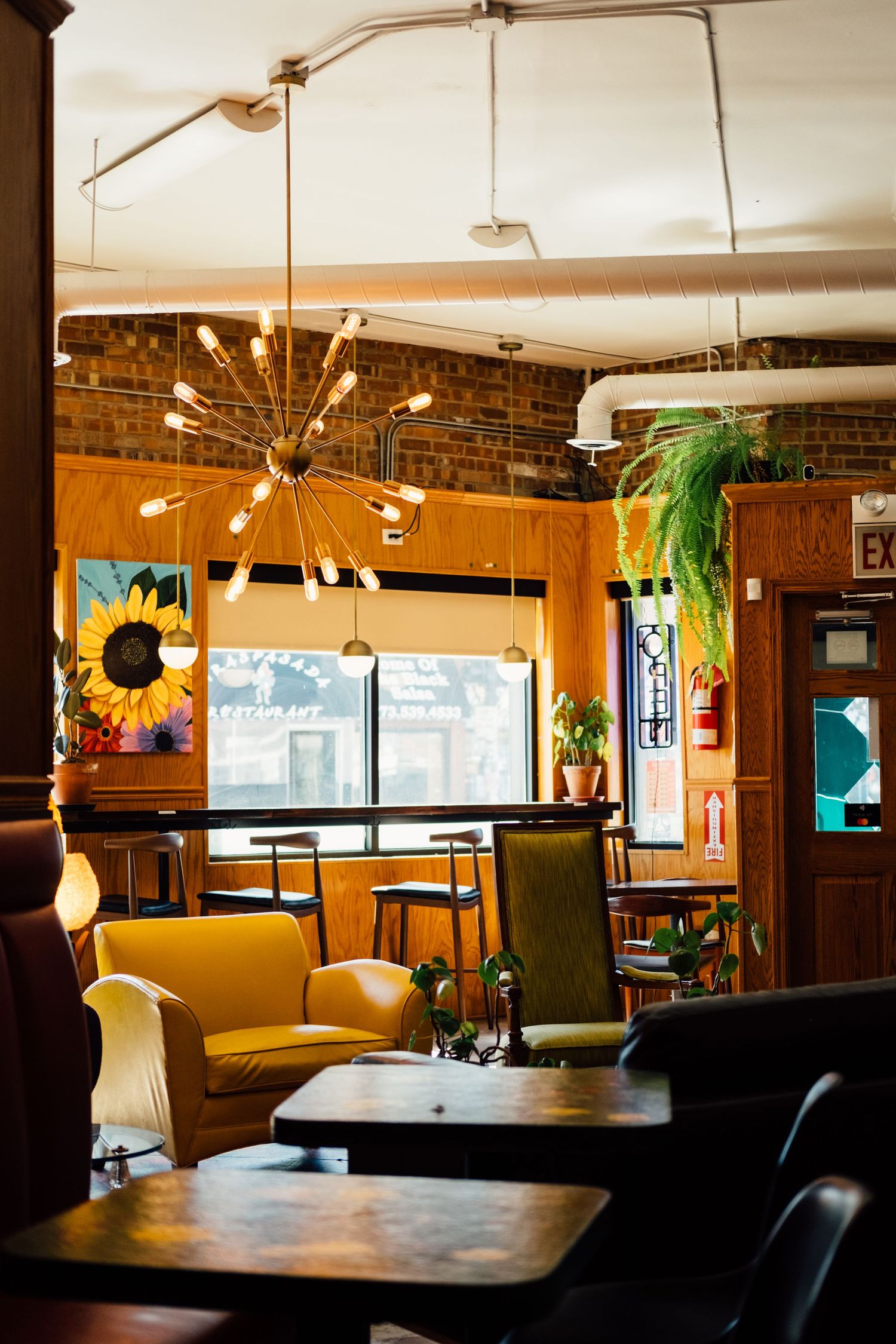
For those with a brick-and-mortar location or a studio (even if it’s private), wide-angle shots of where you work help customers and clients imagine where most of the work takes place.
5. Products: Lifestyle, styled, or solo
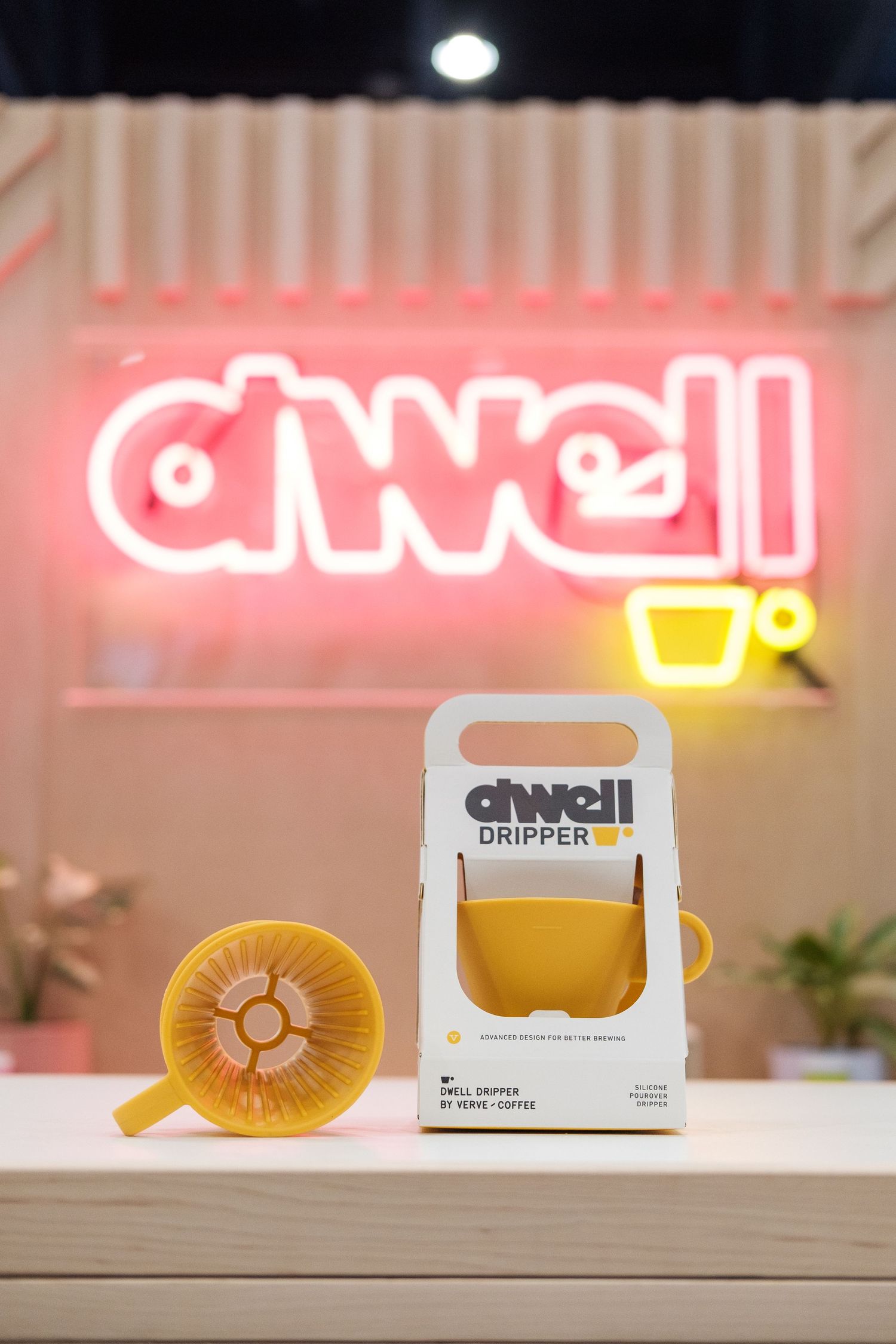
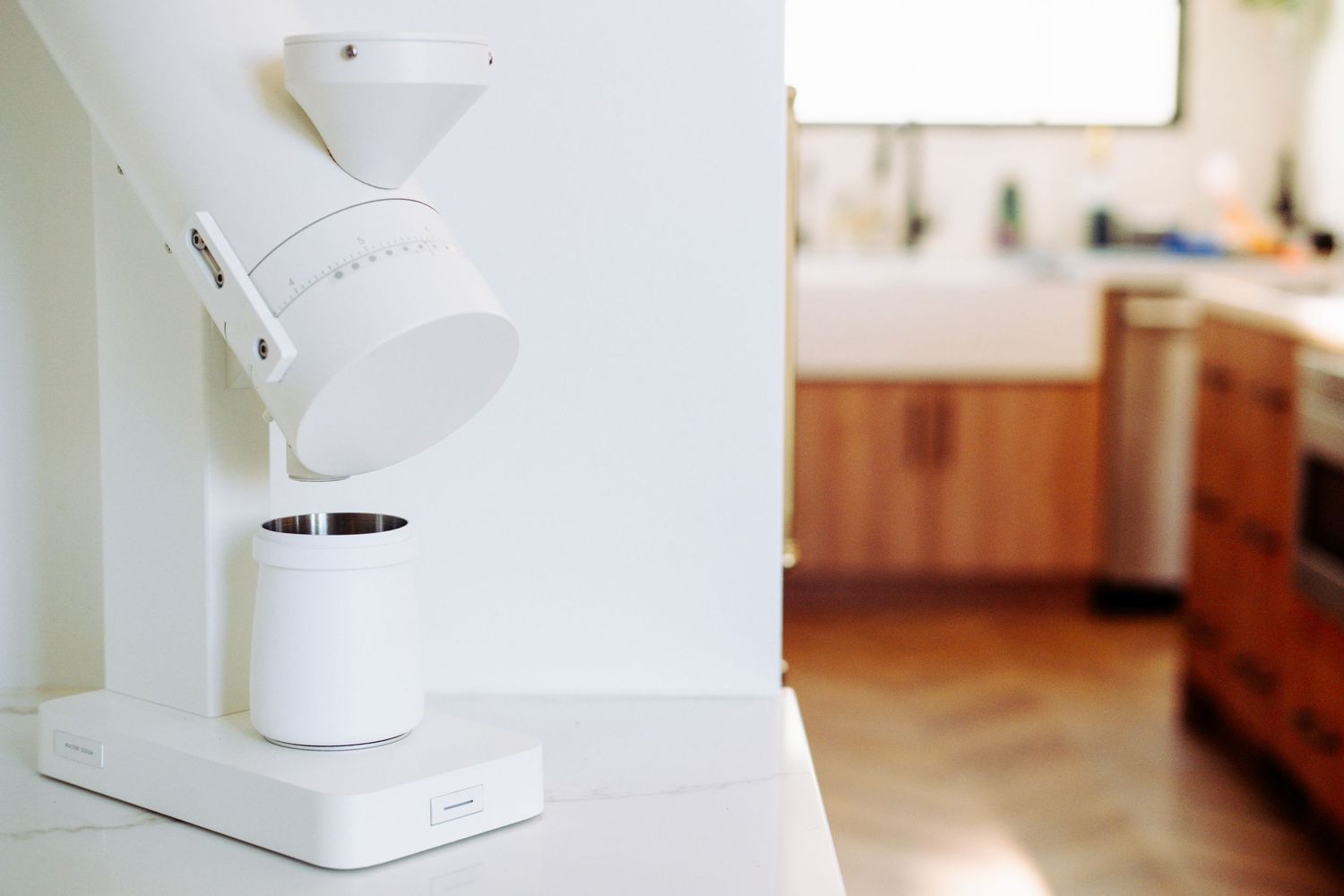
Having SKUs means that you need the product photos to help you sell them! Why go with the boring white background when you can have products in a still life scenario, in use by your ideal customers, or against a colorful background? Product photos don’t need to be plain. In fact, having interesting product shots will help you stand out from the crowd.
Extra shots for solopreneur websites
I consider these bonus shots and not required, but to be honest, I actively encourage clients to include these. The shot types apply to both product and service providers.
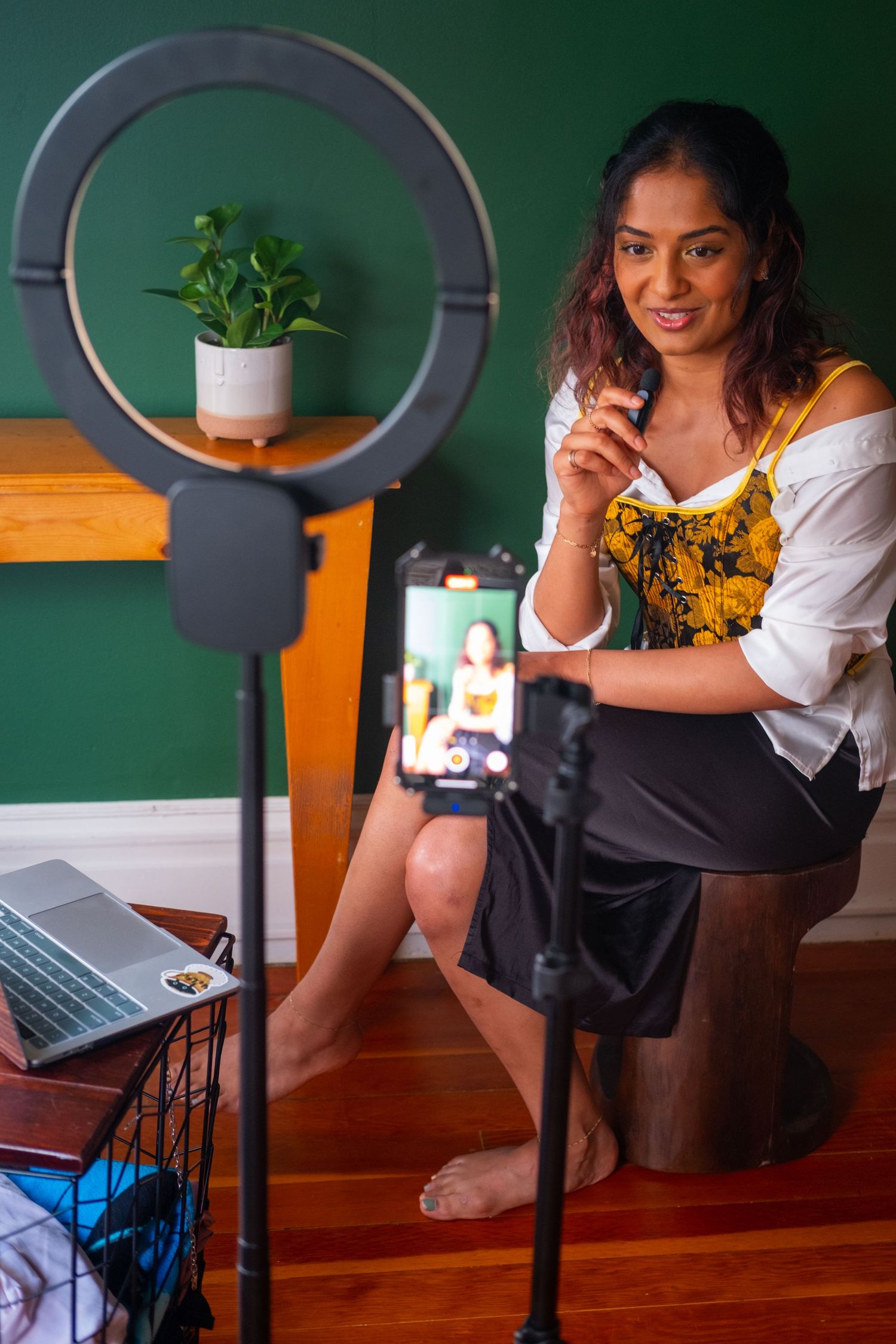
6. Bonus: Behind-the-scenes and process photos
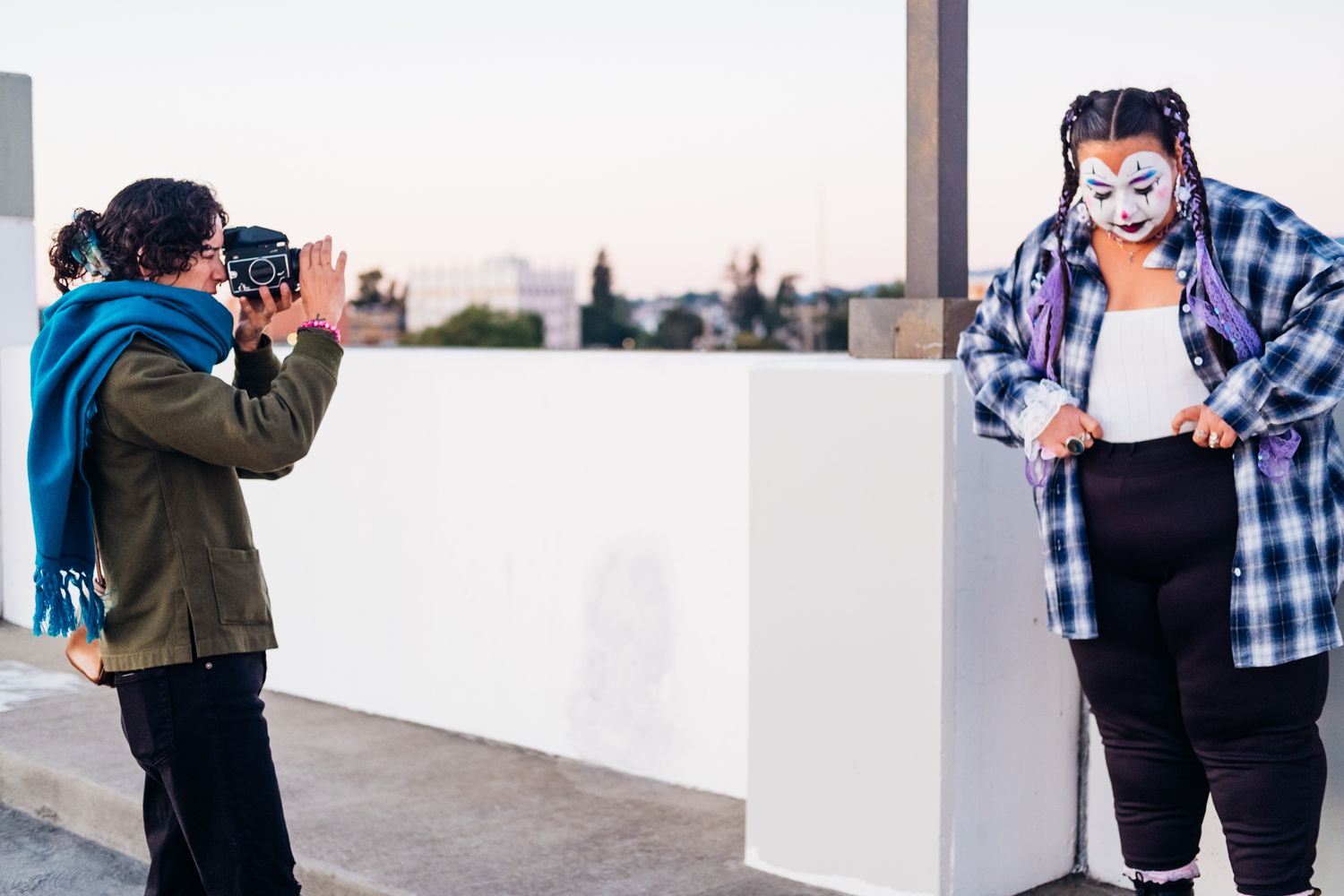
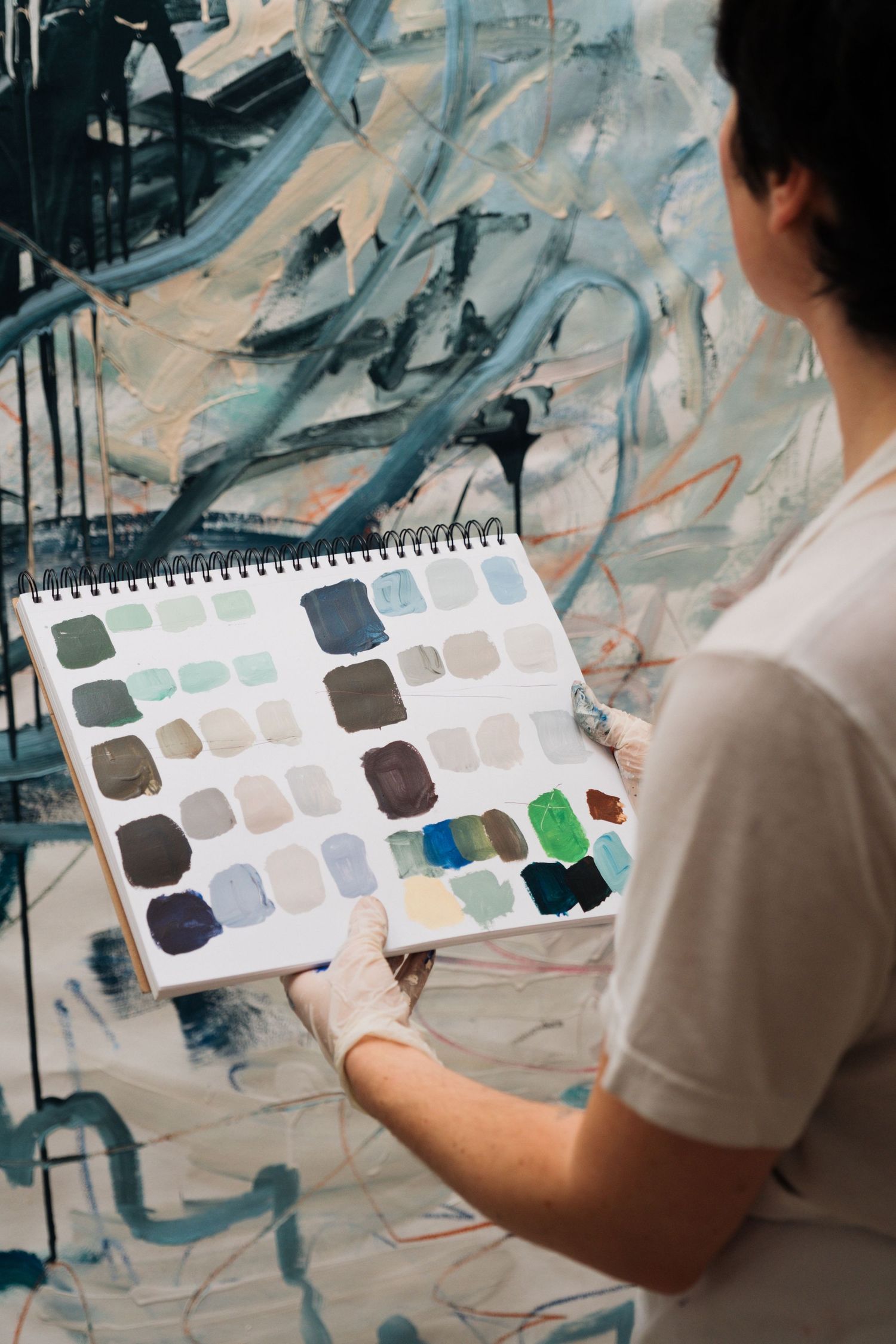
These images “lift the curtain” to your brand. We all know you’re working hard at the business, but oftentimes, we see the final product and not the process behind it. This set of photos showcases your process to the client, so they know what to expect when they’re working with you. If you have products, the customer gets to see how they’re sourced, made, inspected, and packaged. Seeing how it’s made and the work that goes into a service or product adds value to your brand. You’re not a manufacturing plant with thousands of hands; you’re intentional in the time and effort invested into your work.
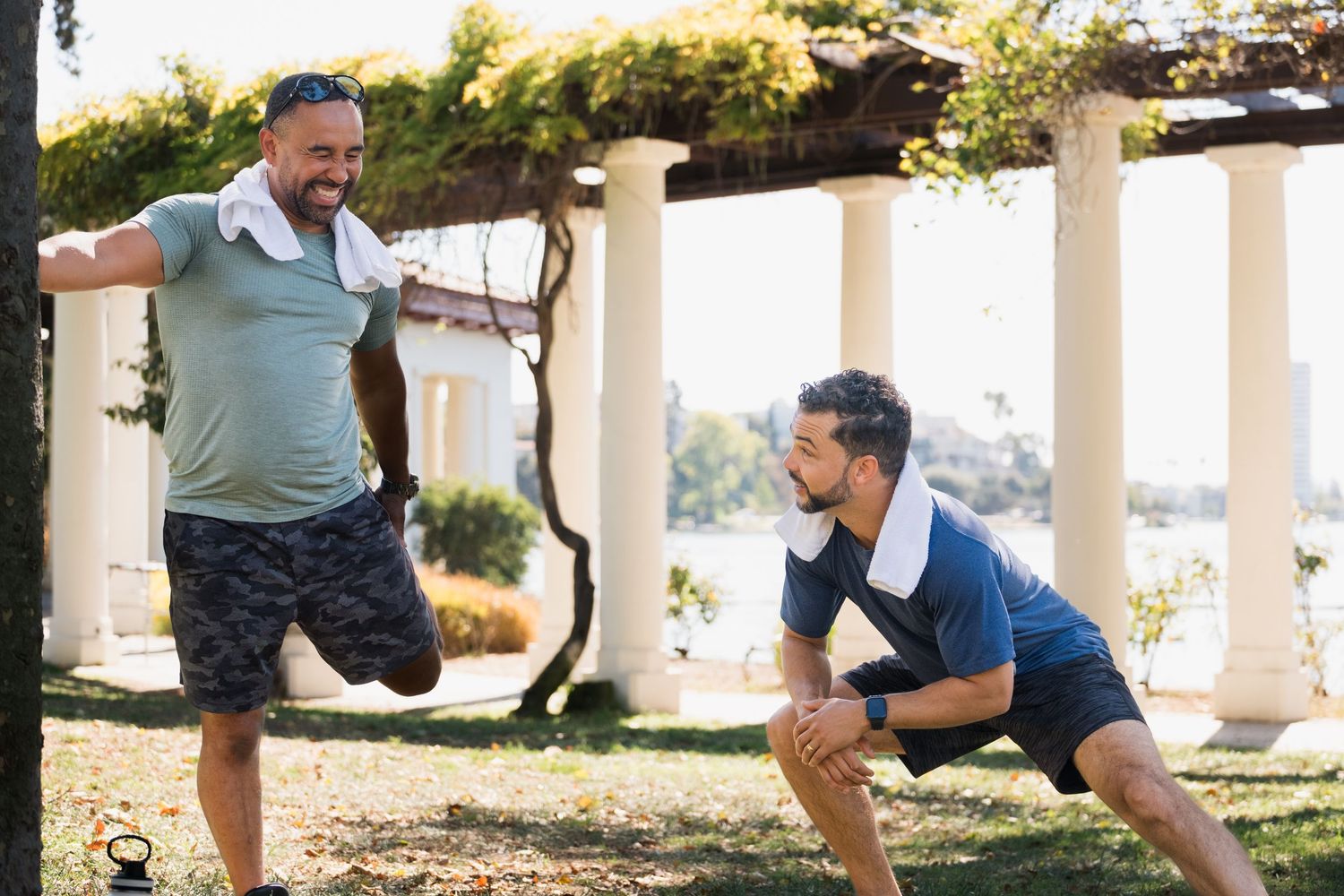
7. Bonus: Stock imagery that reflects your creative business
This is kind of a nebulous idea and can be difficult to convert into imagery. There will be website pages where a photo of you or your product doesn’t quite make sense, but you still want to convey your brand’s ethos with a similar style. This is where custom stock photos do the heavy lifting.
My first go-to question is: What inspires you? For me, I love nature. I love the sunlight that peeks through a forest canopy, the consistent expectation of waves rolling in, and how neon can exist naturally in a flower. I can go on and on about this, but the point is that there’s custom stock imagery for every kind of business.
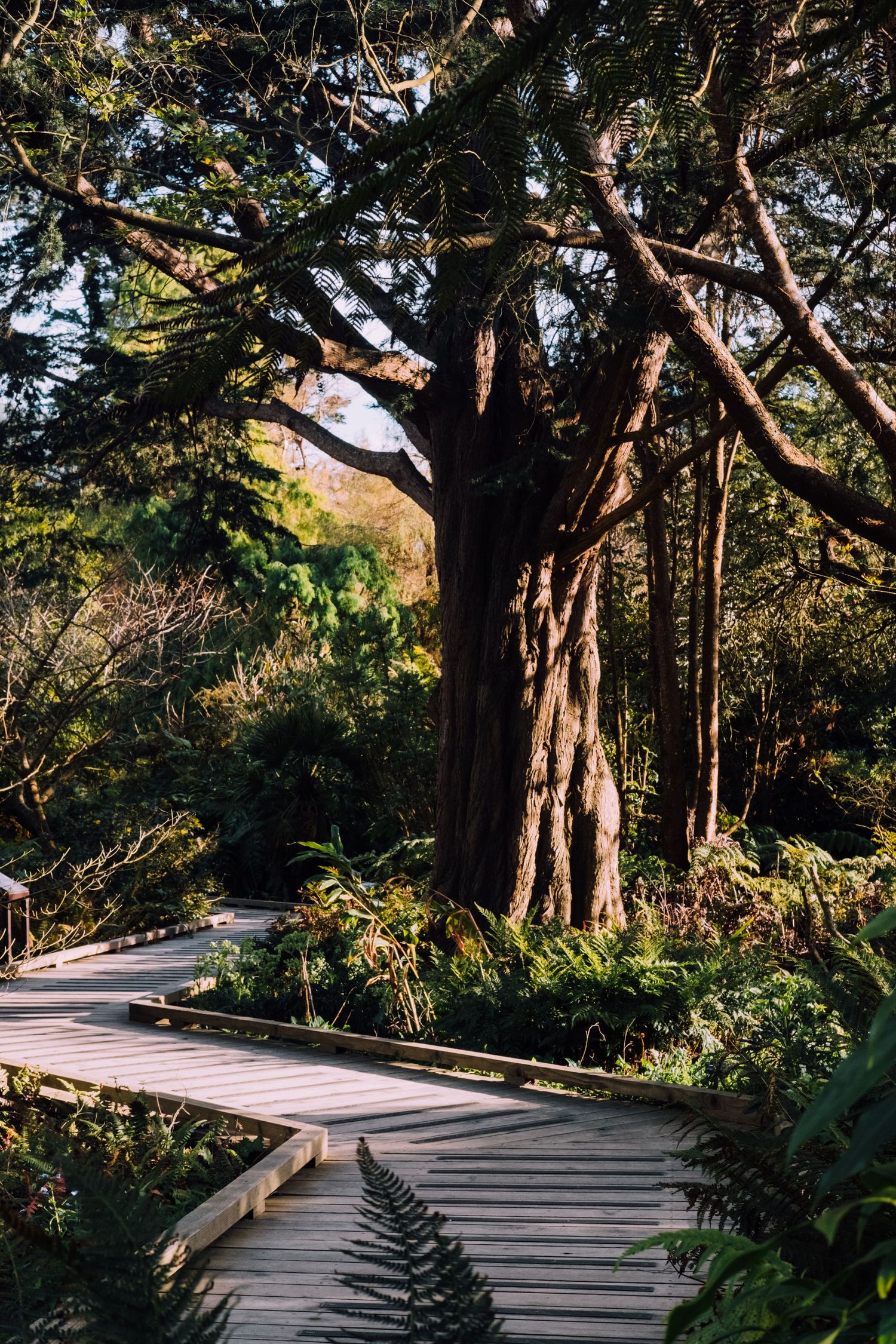
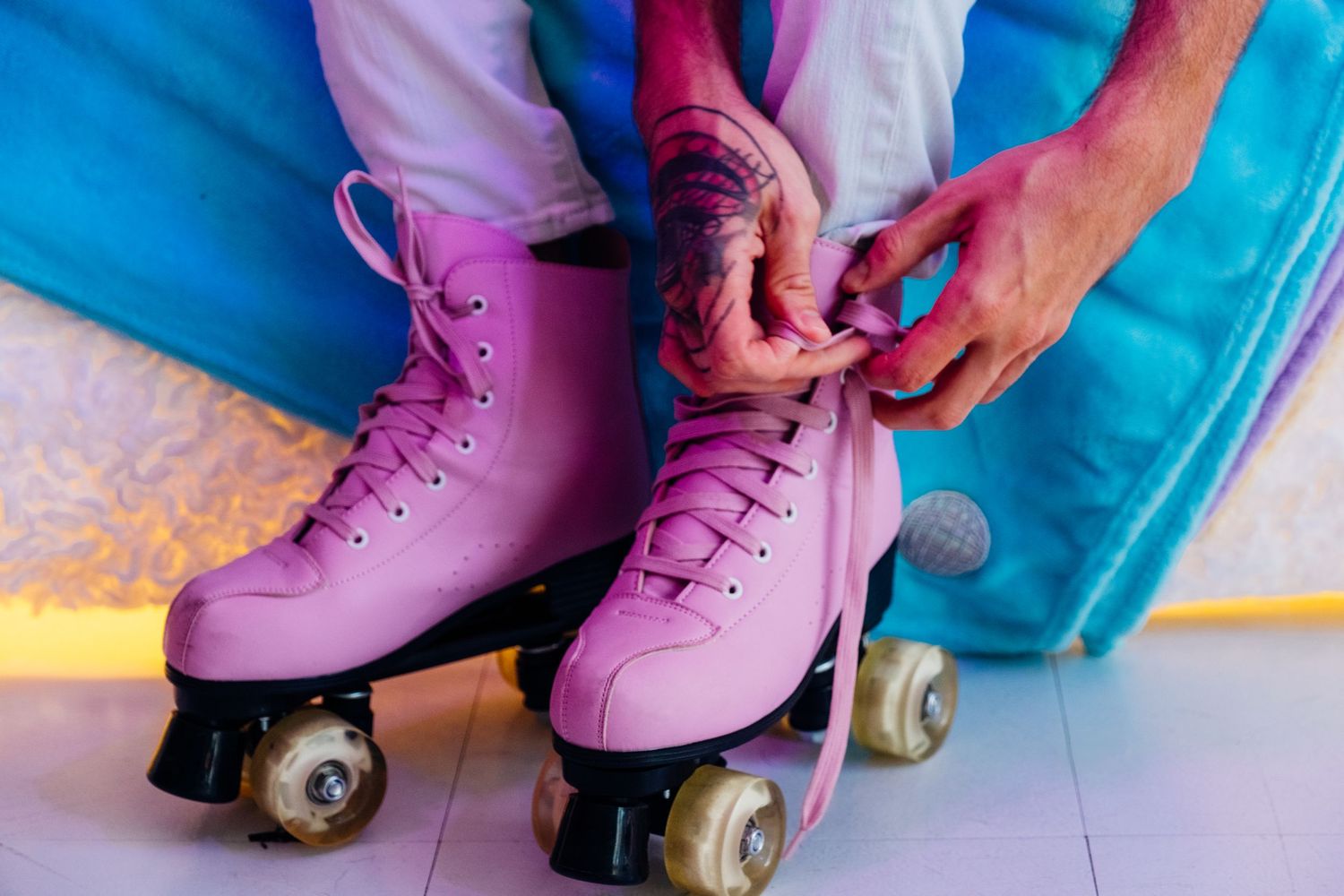
One hot tip: For the must-have shots like product lifestyle photos and environmental portraits, have one big photoshoot a year. More if you create lots of content. Stock imagery can be built partly during that big shoot or throughout the year (quarterly or monthly). And because stock images are meant to be used whenever, wherever, you’ll begin to create a diverse asset library that will work for you for years.
If you enjoy working with your brand photographer, consider entering into a retainer relationship with them on a rhythm that suits you. One big brand photoshoot a year can be daunting and high-pressure to “get the key shots.” Break the pressure by having monthly or quarterly shoots that capture a smaller shot list. This way, you could take your headshot in the spring and alternative portraits in the fall.
Work with a creative brand photographer to build your shot list
I don’t recommend handing the creative reins to someone who shoots anything and everything. The process of creating your brand images should be strategic and collaborative. A great brand photographer will work with you to offer their advice, and you should feel comfortable giving feedback, too. There are many types of brand photographers out there, so it’s best to book a consult call to see which one fits your needs. A solo business owner or coach does not need a full-scale commercial shoot with crew (unless, of course, that’s what you want).
I enjoy working with solopreneurs because, over the course of my brand photo process, we get to know each other pretty well and build a supportive rapport. When you’re nervous about working with your first-ever photographer or fuzzy on how to visually represent your service brand, having a photographer you trust who brings that creative direction to the table is a must. But in case you’re doing a DIY shoot, I hope this post helps you determine the key shots for your creative brand.
Schedule a San Francisco personal branding photo session consult
If you want to skip the DIY and go for a more collaborative approach, my personal branding photo clients input their brand and goals, and I create a shoot plan with custom storytelling & stock shots that match their brand. You’ll receive guidance and ideas from me that will likely spark your own!
With the personal branding photo session, you leave with a variety of environmental portraits and customized stock photos you can use on your website, social media pages, marketing collateral, press kits, and more.
We're not creating generic brand photos here: you want photos that accurately communicate your brand and story. And I'm here to make it all happen.