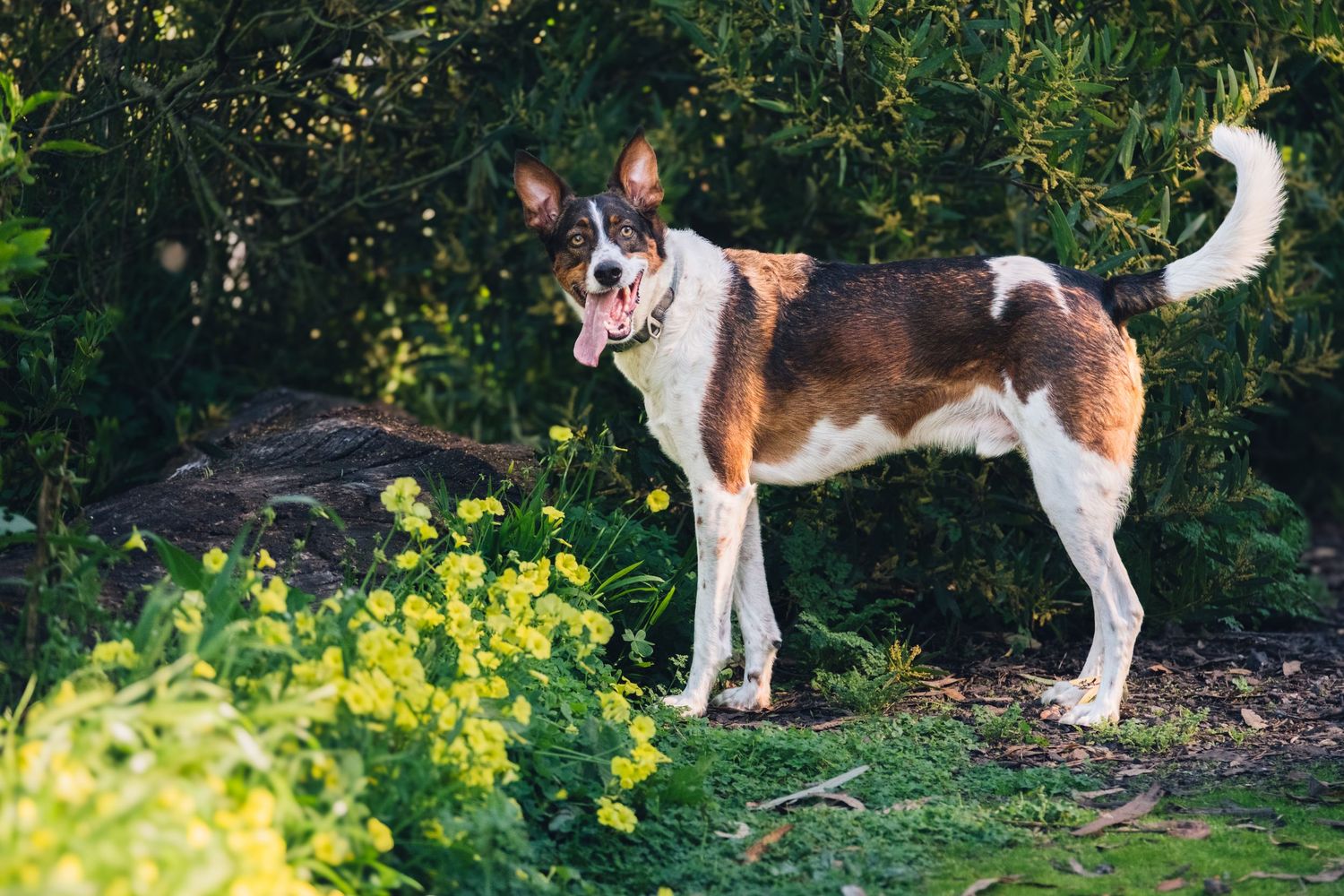
I’ve now photographed dozens of dogs outdoors and have learned a few lessons on how to best prepare yourself and your dog for the best photoshoot experience.
When you’re shooting outdoors, you learn to plan for a variety of things: weather, locations not as expected, more people and/or dogs wandering around, and lighting changes. It’s part of the fun and thrill of outdoor, on-location shoots. I personally love the challenge and the creativity involved—there’s space for ideas, spontaneity, and smaller unscripted moments.
A pet photoshoot doesn’t have to be perfectly orchestrated
There’s this idea floating around that a pet photoshoot is orchestrated like a movie set: the perfect sit, the head tilt, the clean, one-color background. That’s not how I photograph, and it probably isn’t how your dog behaves at home.
My sessions are designed to honor your dog’s personality while keeping things low-key and fun. I blend documentary-style storytelling with natural environments, so the cute things your dog does, like obsessively digging through sand, are welcomed. Instead of aiming for a traditional sit-and-look-into-the-camera pose and the expectation of holding it, I focus on capturing those small, in-between moments and personality-driven shots. And those shots that do look like a traditional sit-and-stare? They were split-second captures.
So really, it’s more about preparing yourself than your dog. But in general, your pet photographer should provide you with all the info so you feel ready to show up as your authentic self. Documentary-type sessions don’t require tons of preparation, but other types might.
This is what it looks like in practice. Keep in mind that these tips are specific to my type of session: documentary, lifestyle, storytelling, and outdoors.
Tips to Make the Most of Your Dog Photoshoot
1. No need to learn new tricks, but do walk beforehand
If your dog has a ton of energy, plan for a good walk before we meet up. It doesn’t have to be a long one—just enough to shake off excess energy—so they don’t chase everything we come across. How much you work out your dog before the shoot depends entirely on what you want to capture. If you want photos that are more about connection and cuddles, then a tired pup is more likely to do that (unless they’re naturally chill!). If you want a fun play session, then we’ll need that energy!
2. Keep Treats Handy (but Tiny)—or halve their meal
Bring their favorite treats, in training treat sizes. If your dog is small and/or on a diet, consider feeding only half of their meal and bring the other half as “treats.” This works best if their meals are kibble or easy enough to give by hand. You may also recognize that this technique is the same one dog trainers suggest for training sessions!
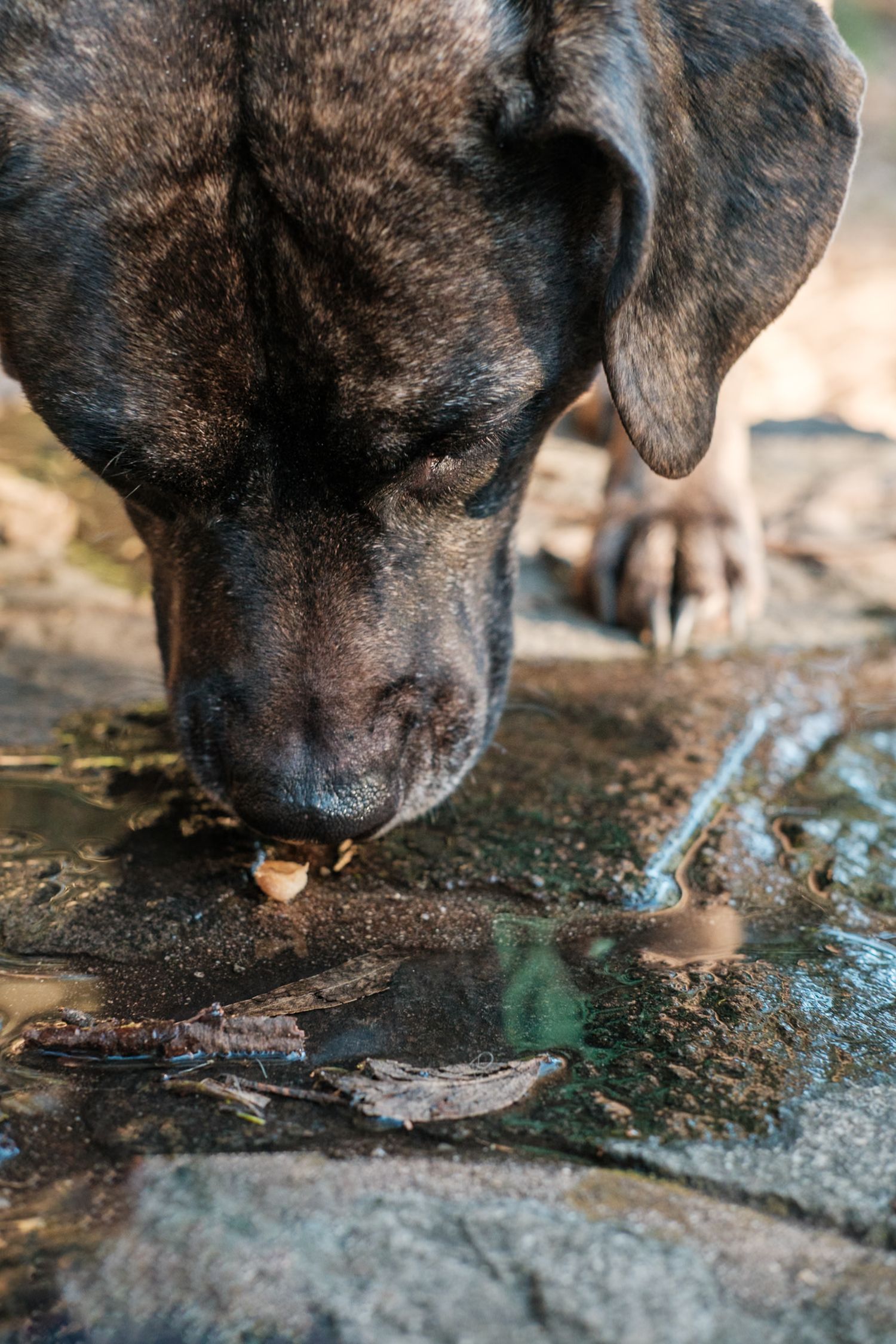
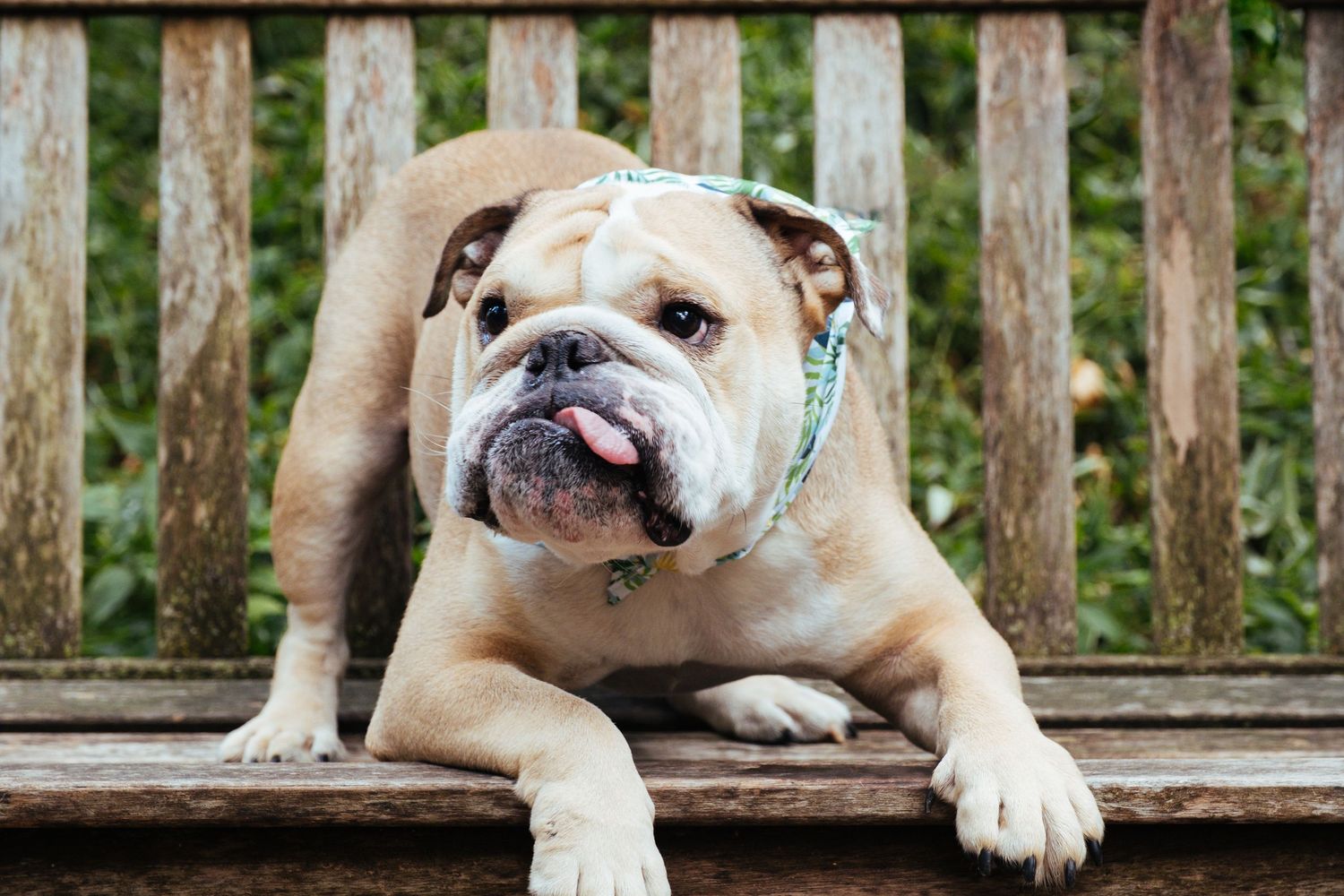
3. Skip the “Costume” if It’s Not Truly Comfortable
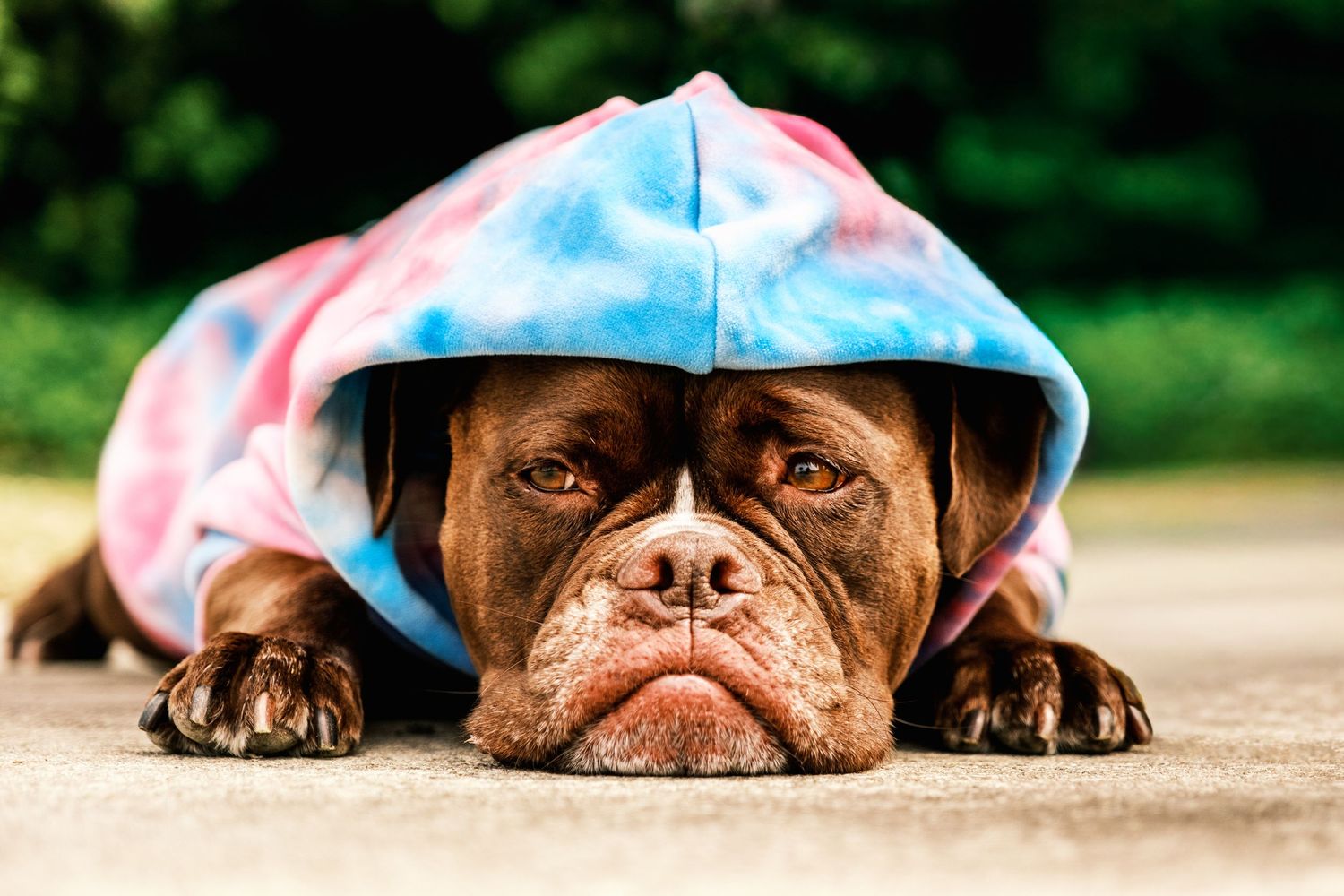
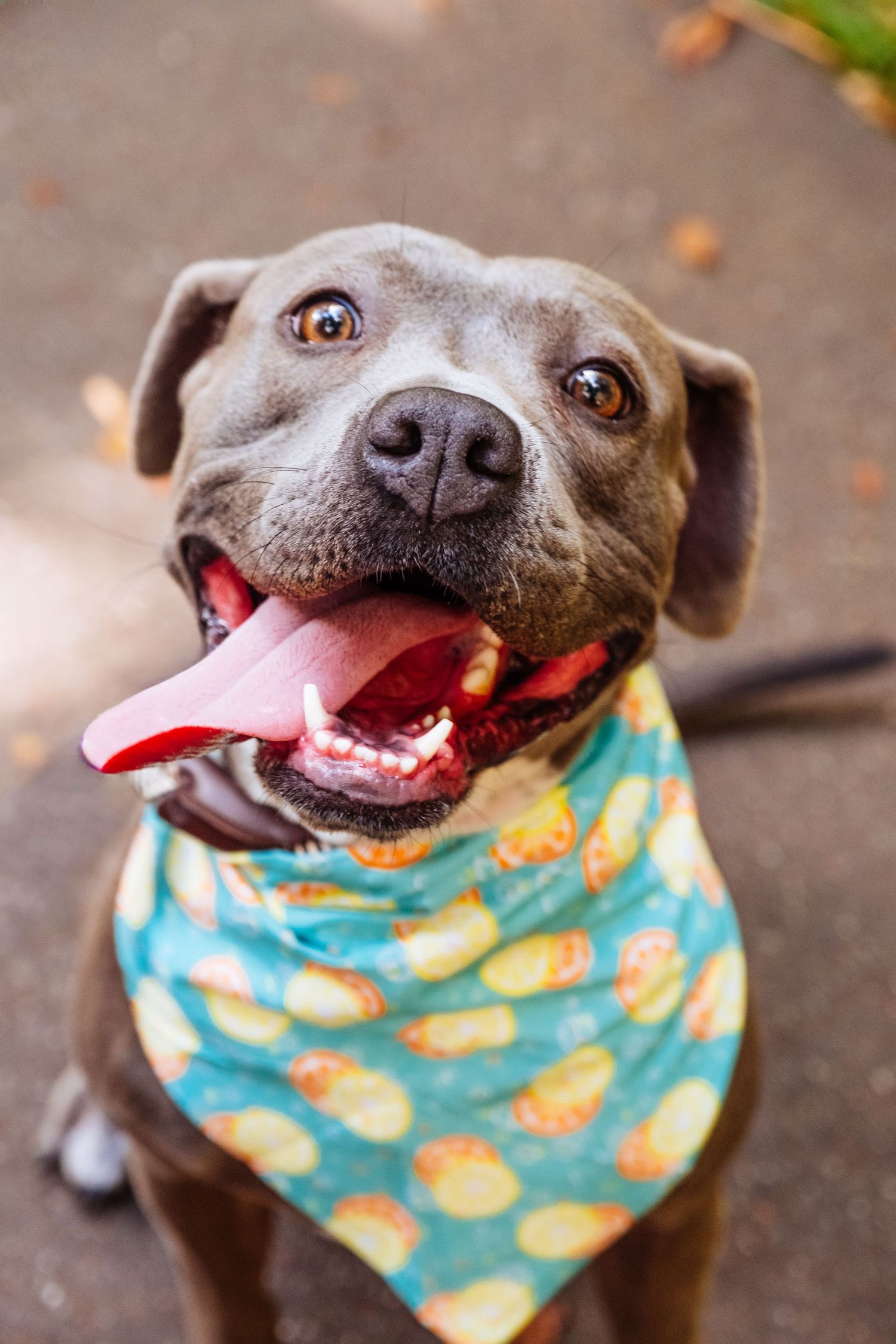
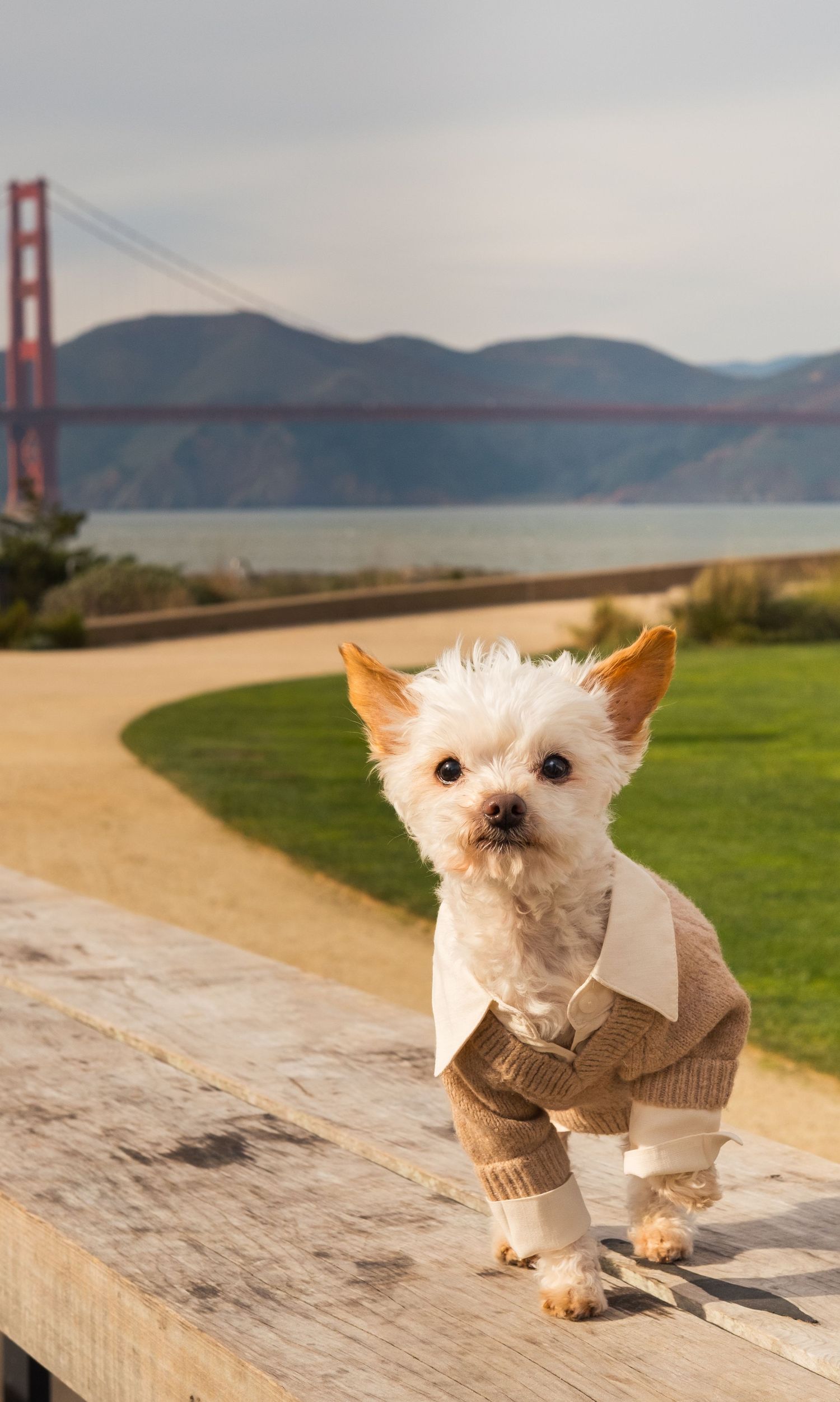
Yes, cute dog outfits are adorable in photos, but only if your dog doesn't treat it like a straitjacket. Your dog isn’t a model and doesn’t know how to fake their body language. When a dog is wearing something they don’t like, it’s pretty obvious in how they behave. Mine glares at you, intensely. So, if you're considering adding clothes or accessories, test them out well before the session. Watch for signs like a hanging head, glares, stiffness, pawing at items, pulled-back ears, and a hanging or stiff tail. The goal is for your dog to feel natural, safe, and joyful. If you are truly insisting on an outfit, I recommend doing positive association training sessions with it on—dog wears it for a short period of time, reward; increase time and repeat.
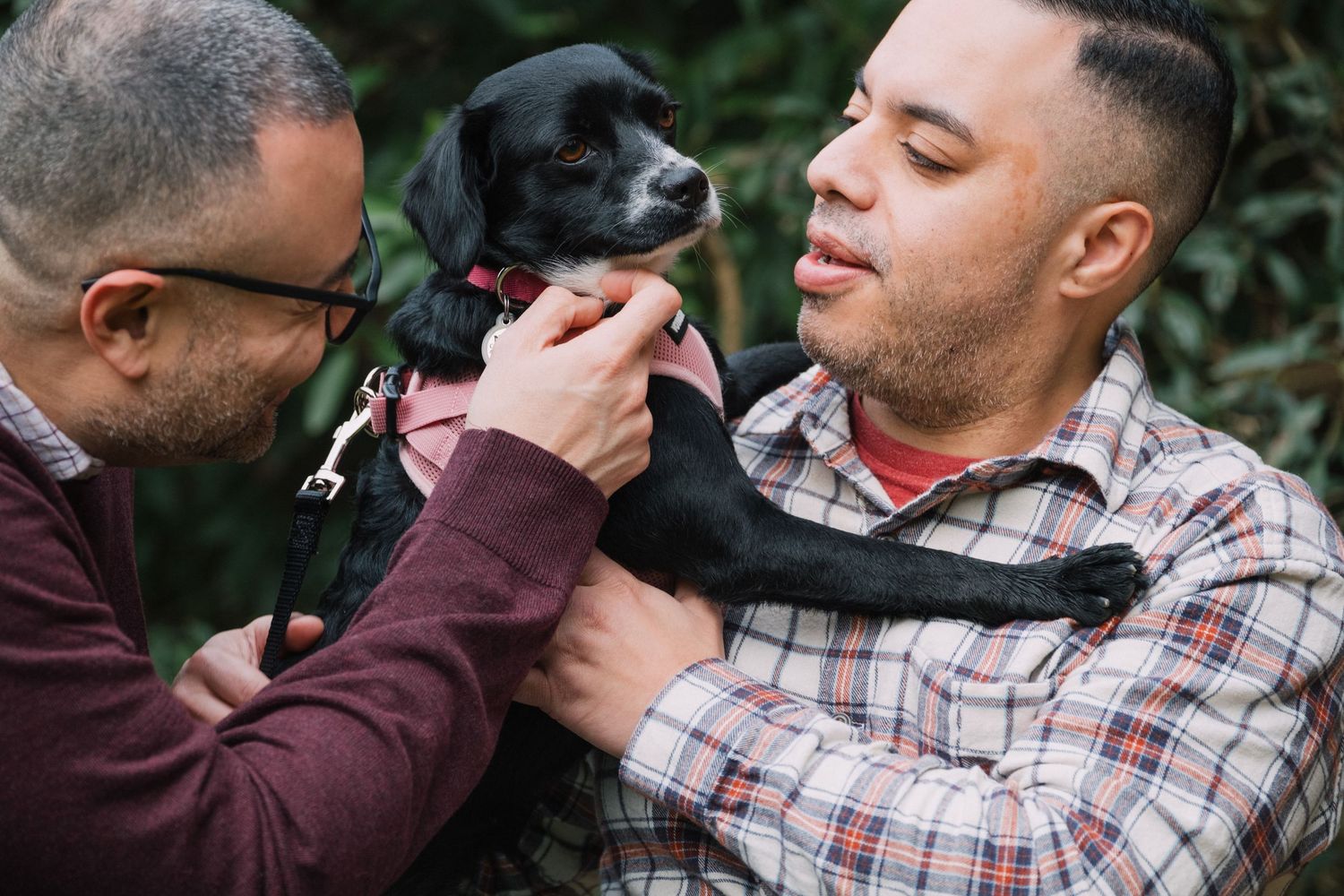
4. Cuddles are photogenic
You don’t need to smile directly—or even look into the lens—if you don’t want to. Some of the best images come from unplanned intimacy. Allow your dog to engage with you organically with pets and belly rubs. I’ll guide and prompt you gently without over-directing the moment.
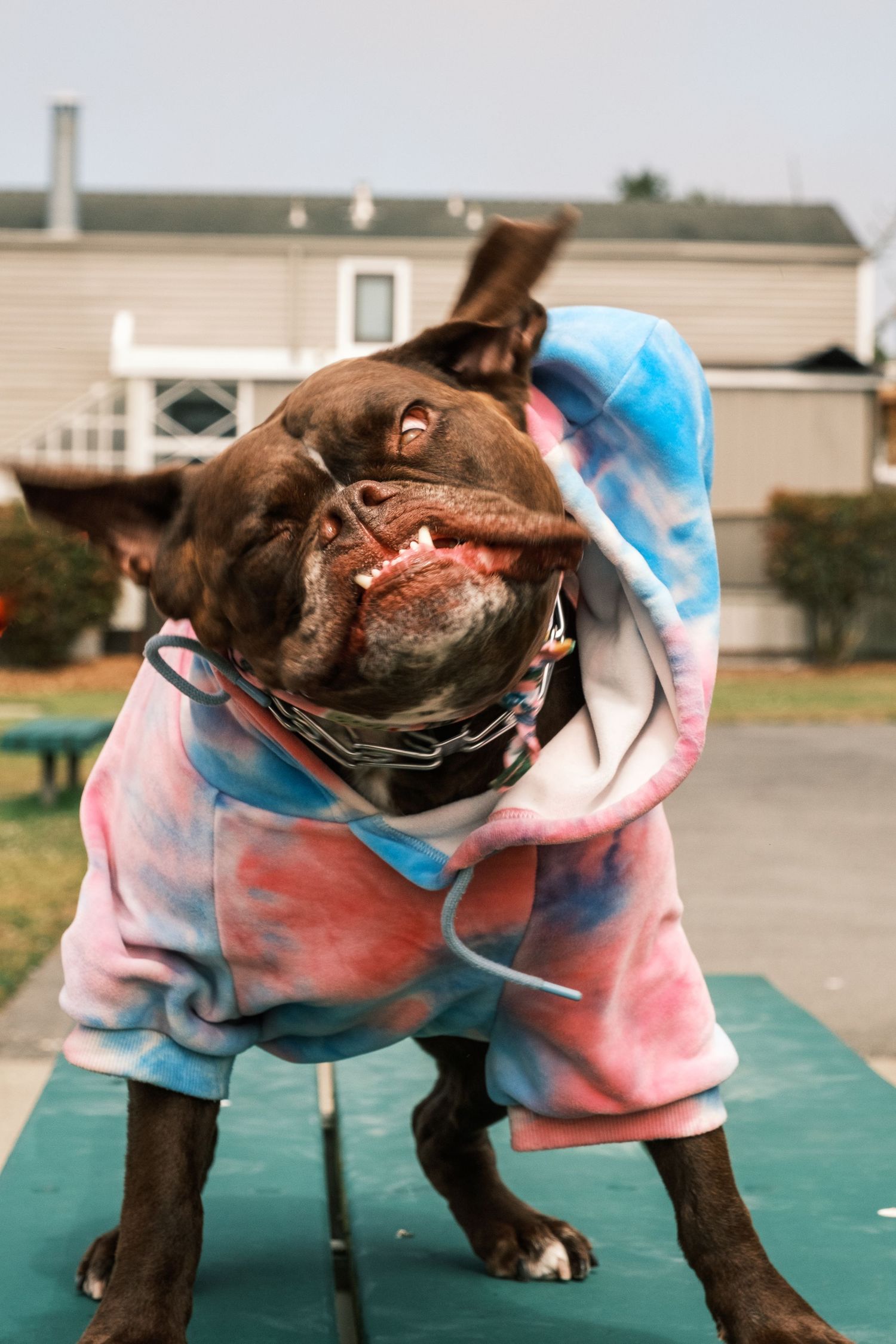
5. It’s okay to be messy. Plan for “clean” shots in the beginning
I know that if I go to Fort Funston with Zoey, it’s a bath day. She inevitably rolls in a dead animal, obsessively digs in the sand, runs through the ocean waves while chasing a dog, or all of the above. If you truly want a shot of your dog pre-mess, we’ll plan for that at the beginning of the shoot. Besides that, dogs are animals, and they love to dig and get messy! That joy is evident when you watch them do what they love, and it makes for a wonderful, authentic photo.
6. Location Matters: Choose Places You Both Love
Whether it’s Fort Funston, Golden Gate Park, or your neighborhood stroll, we’ll pick spaces that reflect your lifestyle and won’t stress out your dog. Familiarity, open areas, and minimal triggers are especially important for anxious and reactive dogs.
7. Be ready for plan changes, don’t lock into a single shot
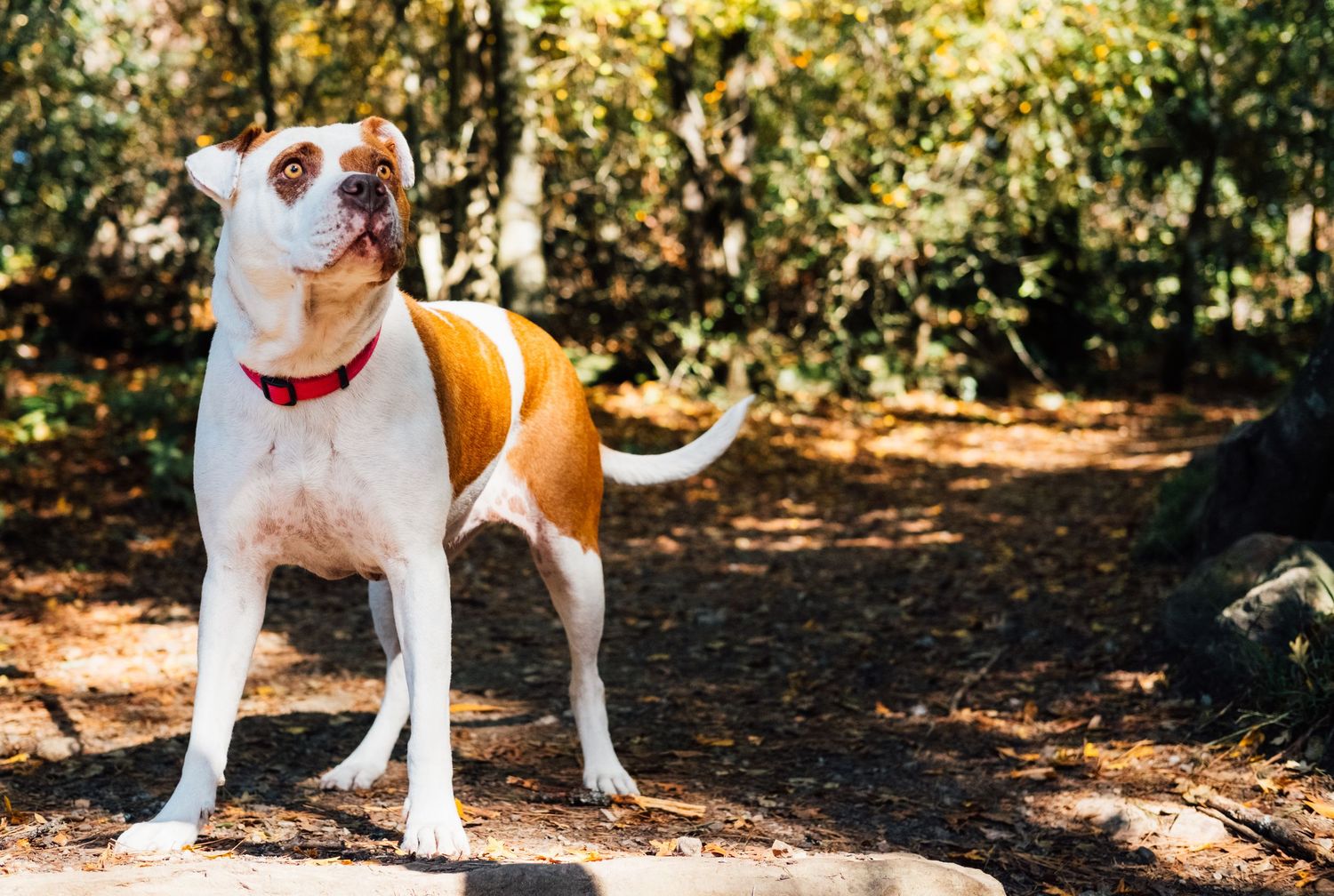
As mentioned earlier, plans are intentionally flexible, and I keep an eye on the weather forecast. Contrary to popular belief, overcast skies offer the most gentle, filtered, and even light. But I’ve shot photos in bright midday sun (strong, defined shadows and potential for artistic lens flares), cloudy (even lighting), sunset (warm, flattering light with soft shadows), and stormy (beautiful even lighting with a dark sky backdrop). Having a single pose, composition, and background set in your mind may lead to disappointment if the weather or location isn’t favorable.
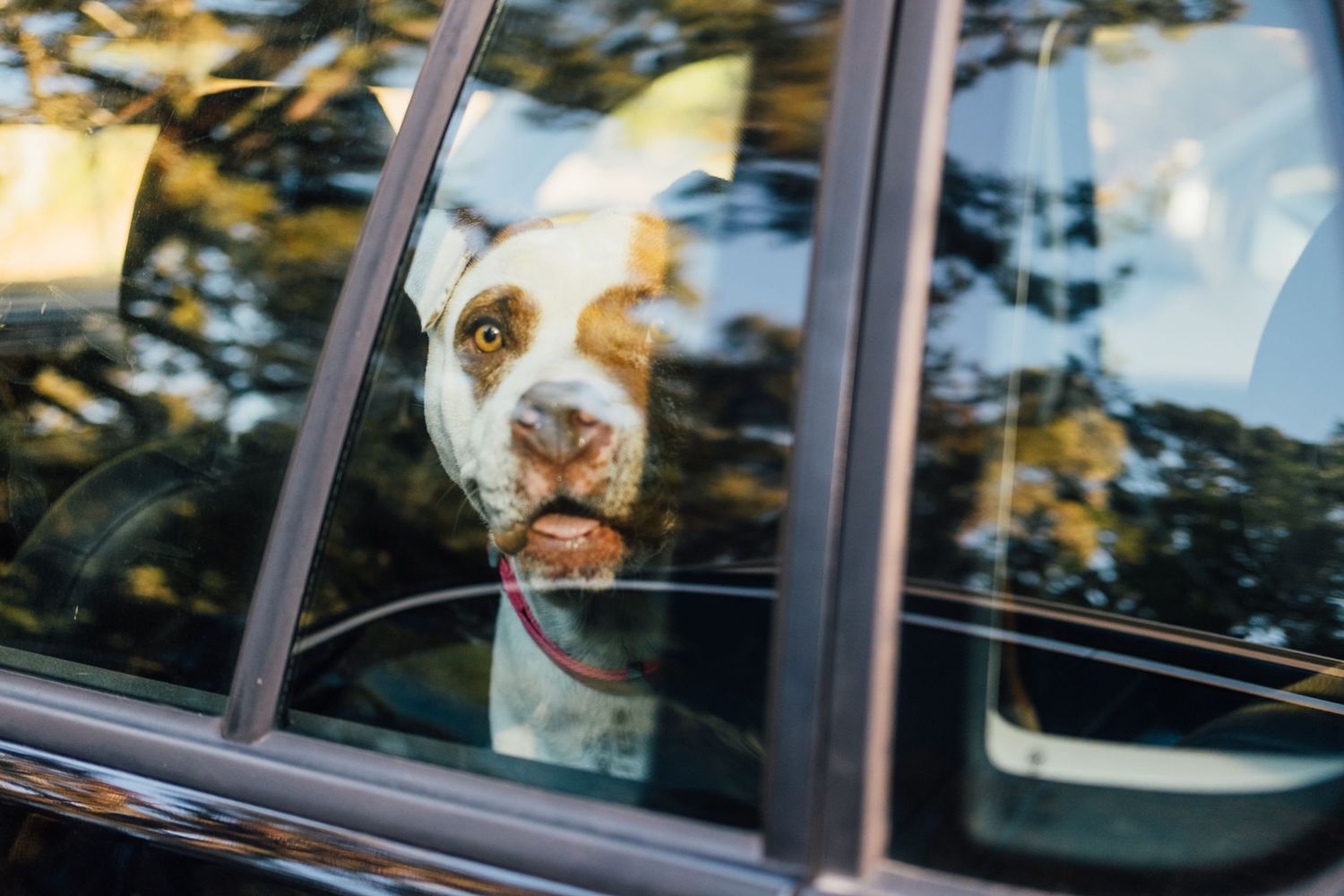
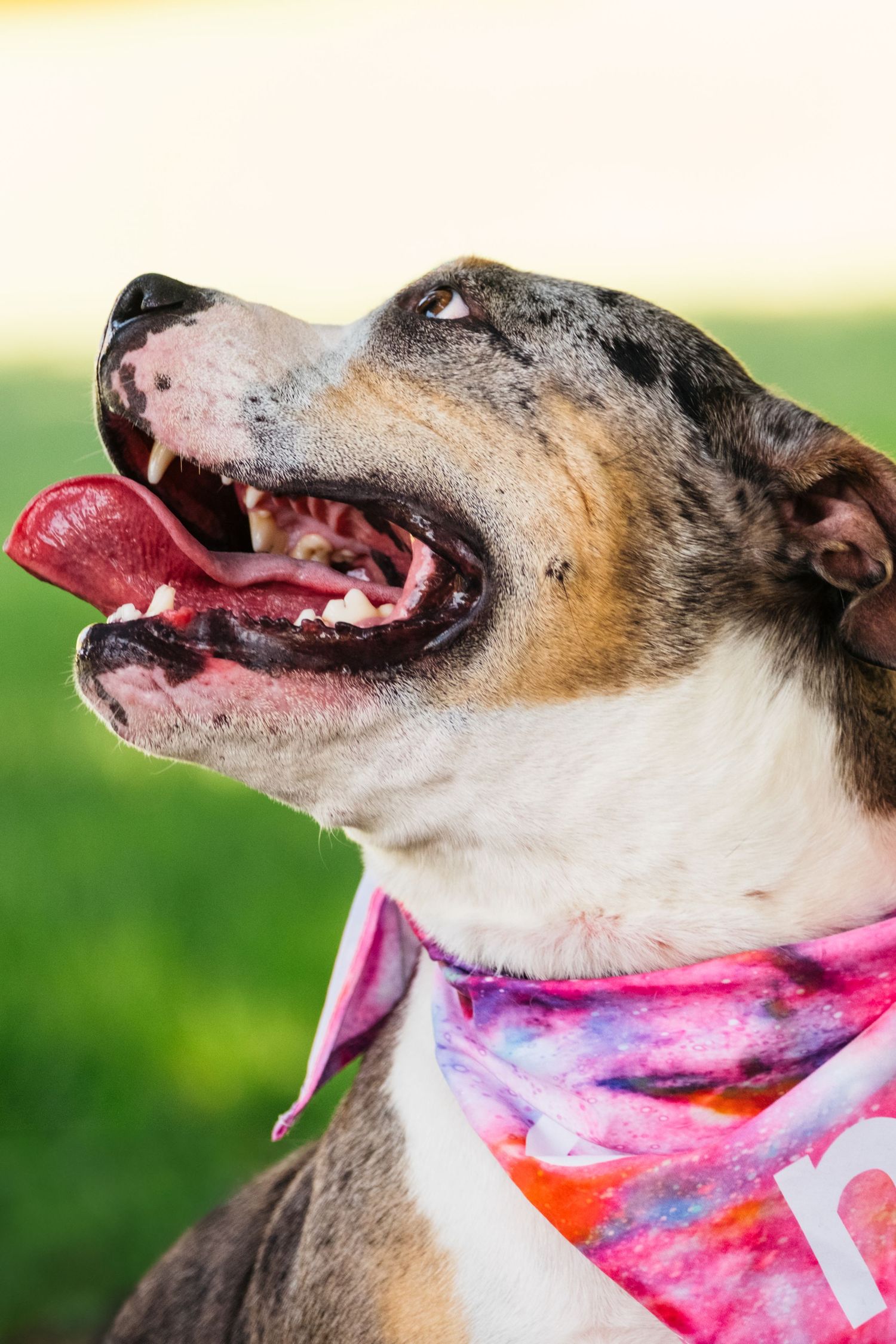
You have a unique connection, and I’m honored to capture it
You and your dog have a rhythm, a life, and a bond that’s worth documenting in an artistic way. When you show up to a shoot with the intention to relax and simply have fun with your dog, we’re already halfway there. I don’t force posed perfection because life isn’t like that.
So if you’ve been thinking about investing in photos that reflect you (lifestyle, dog cuddles, adventures), know that your favorite jeans and your dog’s favorite trail are enough.
Outdoor pet Photography
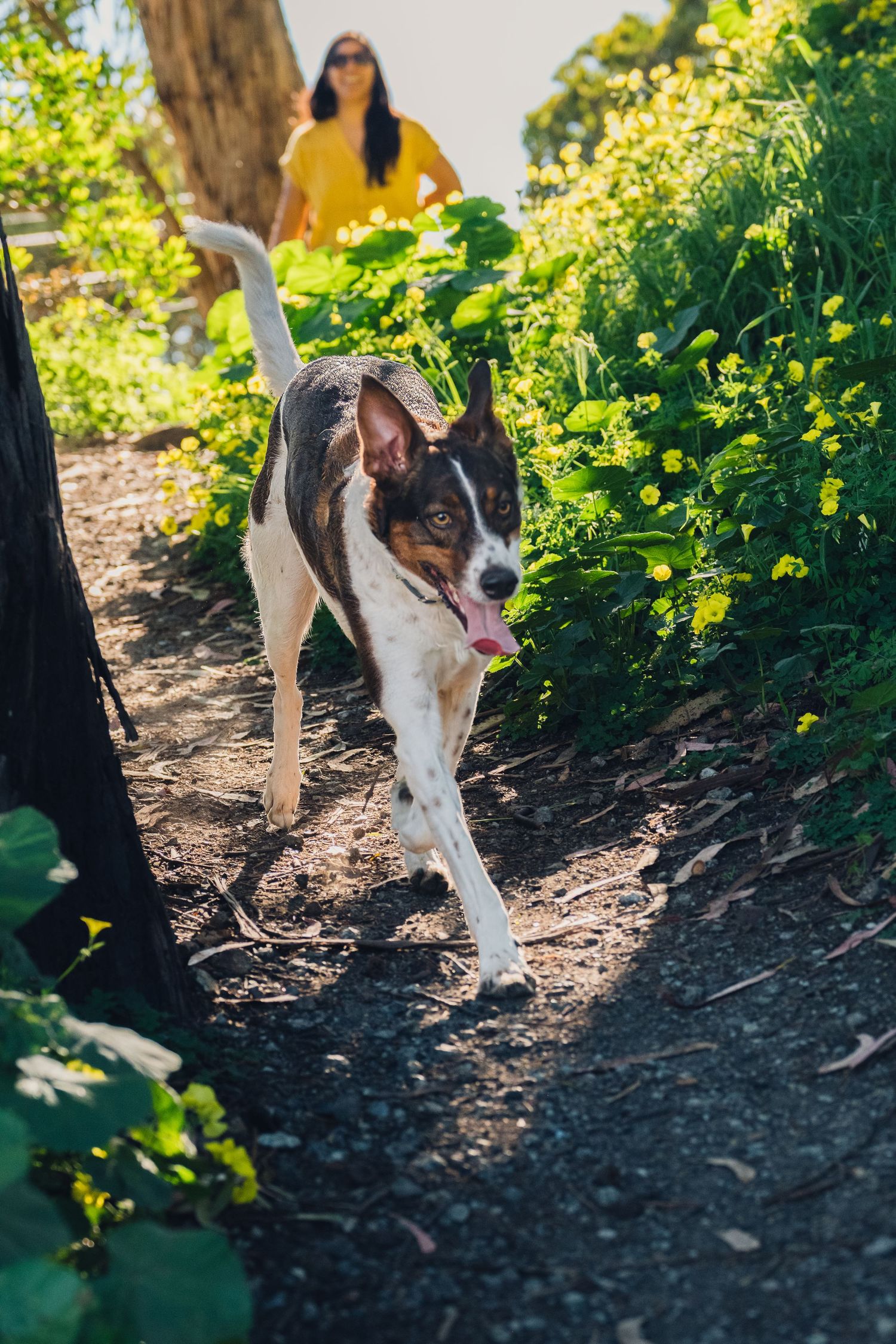
I create relaxed, outdoor pet photo sessions in the Bay Area that center on connections, small moments, and joy. Every session is custom-designed and tailored to your needs.